SKIN | TREATMENT & SURGERY
Skin Cancer Treatment & Surgery
Every treatment your diagnosis might need, from surgical excision and reconstruction to PDT and lymph node surgery, delivered by one consultant-led team at Berkshire Grove Hospital. Fast access, no waiting lists.
Care
Consultant surgeon led
Appointments
Often same week
Surgery
On-site theatre
Histology
On every excision
IS THIS YOU?
Most people reading this page are thinking one of these things:
I've just been diagnosed and I want it dealt with, properly and quickly.
The NHS wait for my excision is months. I can't sit with this that long.
I've been told I need a sentinel node biopsy and I don't fully understand why.
It's on my face. I want it removed by someone who thinks about how it will look after.
I'd like a second opinion before anyone operates on me.
The results letter is full of words I don't understand, and I just want someone to explain it.
A diagnosis is heavy enough without a queue behind it. Our job is a clear plan, explained properly and delivered promptly, by surgeons who treat skin cancer every week.
UNDERSTANDING YOUR OPTIONS
How is skin cancer treated?
Treatment depends on the type, size, depth and location of the cancer, and on you. For most skin cancers, surgical excision is the definitive first step: the cancer is removed with a margin of healthy tissue and confirmed clear by histology. For certain early or superficial cancers, effective non-surgical options exist, including photodynamic therapy and topical treatments. For melanoma with higher-risk features, lymph node procedures establish whether it has spread, and guide everything that follows.
Your plan is built around three things: the type, size and location of the cancer; whether it is early-stage or has spread deeper; and your overall health and preferences. You'll be supported throughout by a named consultant, with skin cancer nurse specialists alongside, and input from our reconstructive team whenever appearance or function is at stake.
Your plan is built around three things: the type, size and location of the cancer; whether it is early-stage or has spread deeper; and your overall health and preferences. You'll be supported throughout by a named consultant, with skin cancer nurse specialists alongside, and input from our reconstructive team whenever appearance or function is at stake.
AFTER YOUR DIAGNOSIS
What your diagnosis means for treatment
Basal cell carcinoma is usually treated with excision, or a non-surgical option if it's superficial; on the face, we plan removal with cosmetic preservation as a priority. Squamous cell carcinoma is treated with excision and histology, with lymph node assessment where features indicate it. Melanoma is treated with wide local excision; for tumours thicker than 0.8mm or with high-risk features, a sentinel lymph node biopsy may be recommended to check for spread. Pre-cancerous conditions such as actinic keratosis and early Bowen's disease respond well to cryotherapy, topical treatments or photodynamic therapy.
Not yet diagnosed? Start with screening and diagnosis. Want the types explained fully? See our skin cancer guide.
Not yet diagnosed? Start with screening and diagnosis. Want the types explained fully? See our skin cancer guide.
YOUR TREATMENT OPTIONS
The treatments we provide
Surgical excision is the definitive treatment for most skin cancers: the cancer is removed with a margin of healthy tissue, and every specimen goes to histology, so you get diagnostic certainty as well as removal. Most excisions are done under local anaesthetic in our on-site theatre, take between 15 minutes and an hour depending on size and site, and you go home the same day. Larger or deeper excisions are closed in layers for the strongest healing and the neatest result.
Looking to remove a benign mole, cyst or skin tag? That's our skin lesion removal service.
Looking to remove a benign mole, cyst or skin tag? That's our skin lesion removal service.
Where an excision is larger, or sits somewhere cosmetically or functionally sensitive such as the nose, eyelids or lips, reconstruction restores form and function. The two main tools, explained plainly: a skin graft is skin moved from elsewhere without its blood supply; a flap is nearby tissue moved with its blood supply intact. Your surgeon chooses whichever will heal best and look most natural for your site, and structured scar management follows as part of your care.
Photodynamic therapy treats certain pre-cancerous and superficial lesions without surgery. A light-sensitising gel is applied to the lesion and absorbed over two to three hours; a light treatment of five to ten minutes then destroys the abnormal cells while sparing healthy tissue. It's used for actinic keratosis, Bowen's disease and superficial basal cell carcinoma, and comes into its own where surgery would affect appearance, or where several lesions can be treated in a single session. Expect redness and crusting for a few days, with full recovery over two to four weeks. PDT is not appropriate for invasive cancers or nodular BCCs, and we'll be honest about where it isn't the right tool. Pricing is quoted personally, from £800.
A sentinel lymph node biopsy shows whether melanoma has begun to spread, before anything can be seen or felt. The first lymph node your skin drains to is identified with a radioactive tracer and blue dye, removed, and tested. It's typically recommended after an invasive melanoma diagnosis, following multidisciplinary team discussion, for tumours over 0.8mm or with ulceration or other high-risk features. The procedure is a day case under general anaesthetic, taking 60 to 90 minutes, with histology results in 7 to 14 days. A negative result often means no further treatment beyond monitoring; a positive result guides exactly what comes next, from staging scans to immunotherapy referral or clearance.
Where cancer is confirmed in the lymph nodes, clearance removes the affected group of nodes in the armpit, groin or neck. It's an inpatient procedure under general anaesthetic, taking one and a half to three hours, usually with one to two nights in hospital and a drain for the first days. The honest conversation beforehand covers seroma and lymphoedema risks plainly, and early physiotherapy is built into recovery to reduce swelling risk. Most patients recover over two to six weeks depending on the extent of surgery, cared for within a multidisciplinary oncology network throughout.
Cryotherapy for pre-cancerous lesions (actinic keratoses, early Bowen's disease): full page at [/cryotherapy]. Topical treatments (imiquimod, 5-fluorouracil) for selected lesions. And an honest Mohs paragraph: Mohs is a staged, margin-controlled excision technique used for specific BCCs in high-risk locations; where Mohs is the right answer for you, we'll say so and refer appropriately. (3,600 monthly searches for Mohs; honesty here builds more trust than silence.)
Apex Medical
Expert care for the
skin you live in.
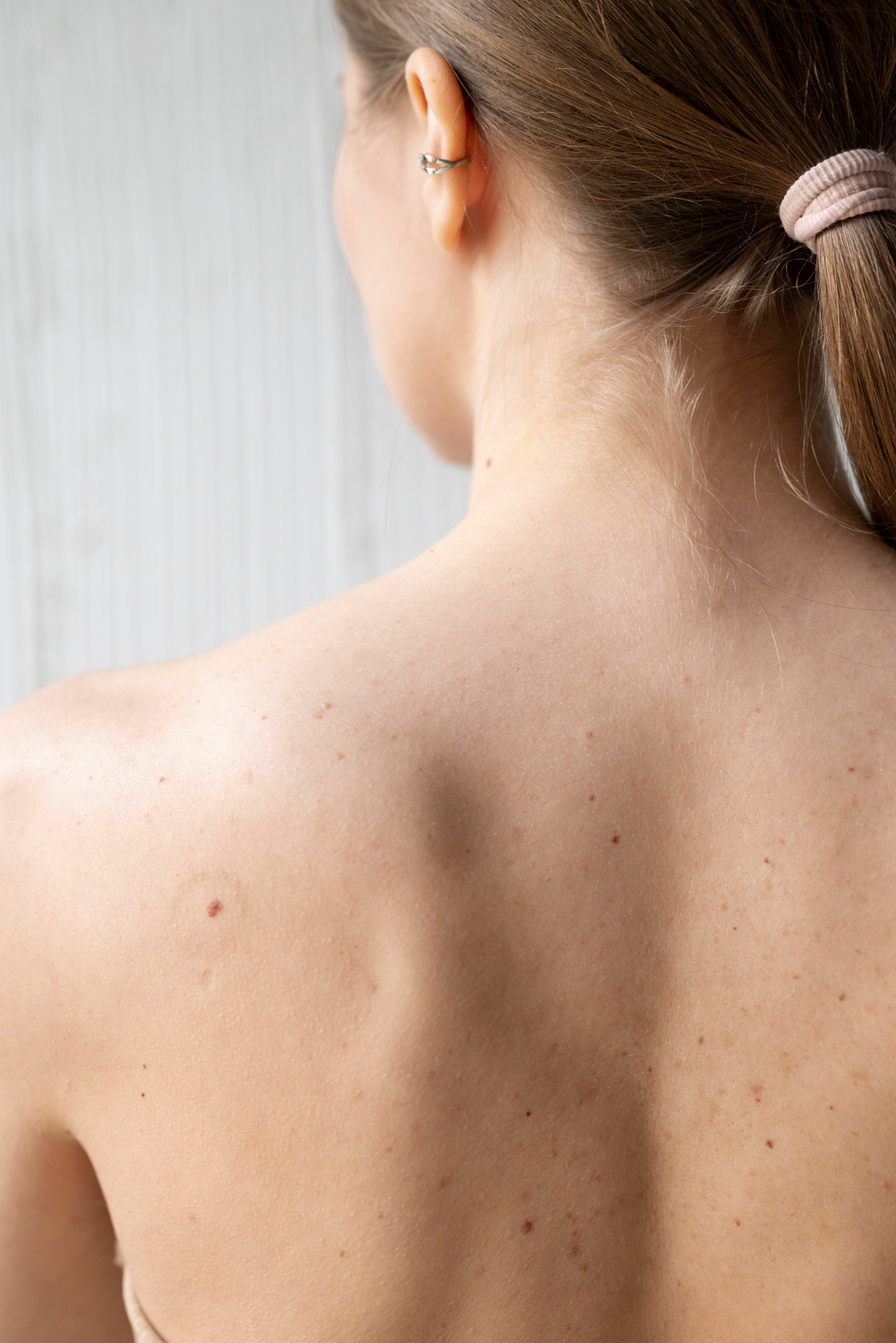
Consultant-led care
Led by a Skin Cancer
Specialist You Can Trust.
Apex was founded by Mr Kuen Yeow Chin, Consultant Plastic Surgeon and Skin Cancer Lead at Frimley Health NHS Foundation Trust. He works closely with consultant dermatologists in the NHS and private sector, and has extensive experience treating patients diagnosed with melanoma and other skin cancers.
Diagnosis and treatment planning are led by consultant dermatologists. Excisions and reconstruction are delivered by plastic and reconstructive surgeons who operate with function and appearance in mind. Skin cancer nurse specialists handle wound care, dressing changes and the reassurance between appointments, and oncology and pathology partners complete the pathway. One team, one plan, one number to call.
Diagnosis and treatment planning are led by consultant dermatologists. Excisions and reconstruction are delivered by plastic and reconstructive surgeons who operate with function and appearance in mind. Skin cancer nurse specialists handle wound care, dressing changes and the reassurance between appointments, and oncology and pathology partners complete the pathway. One team, one plan, one number to call.
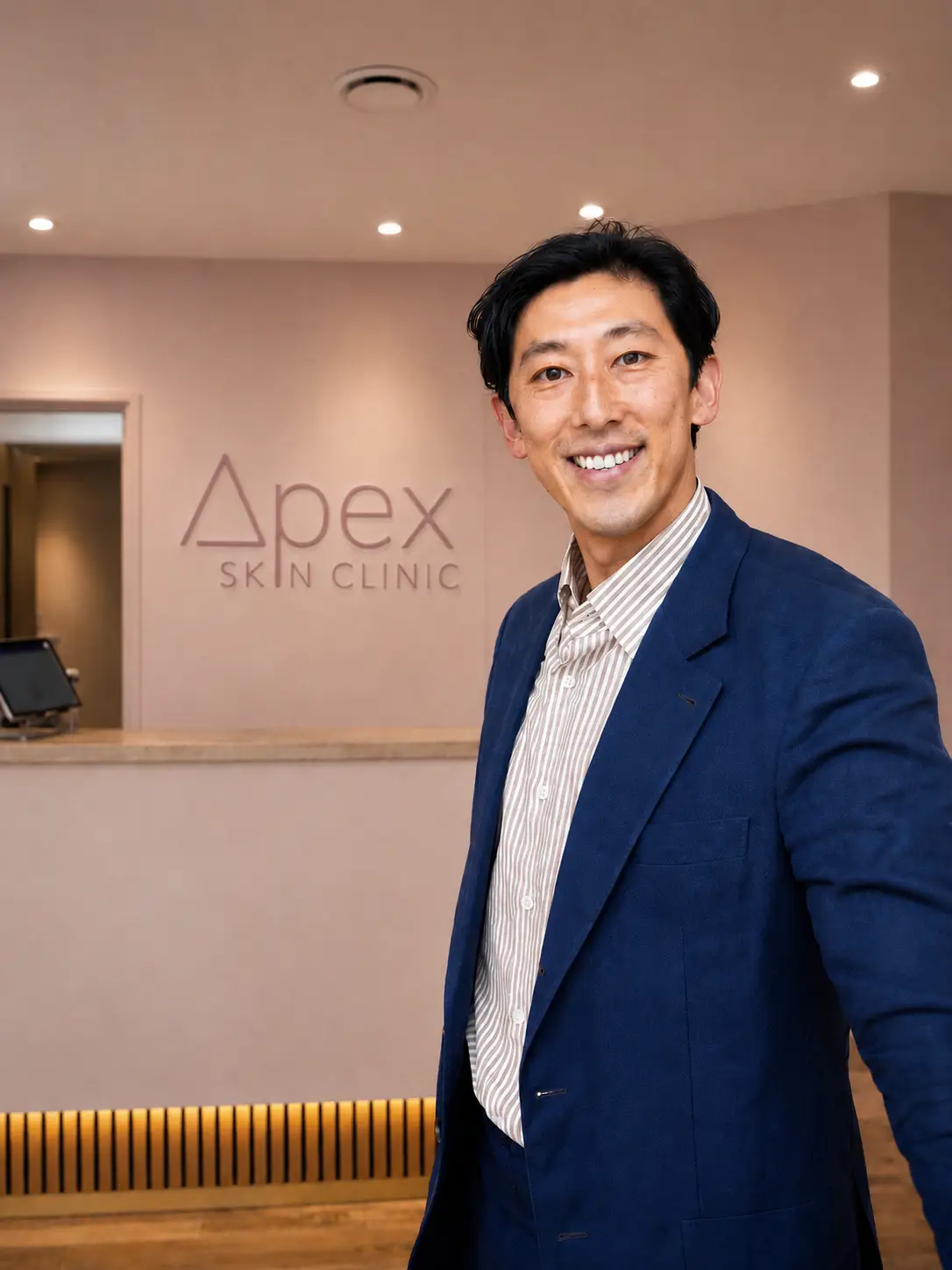
Your clinical team:
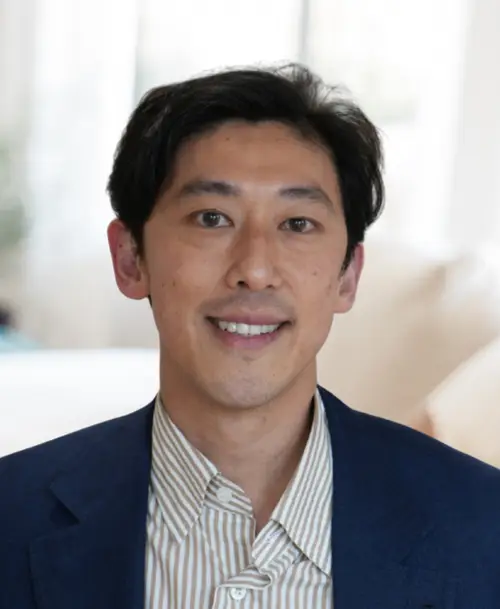
Mr. Kuen Yeow Chin
Consultant Plastic Surgeon & Skin Cancer Specialist
Reconstructive surgery and advanced skin cancer treatment
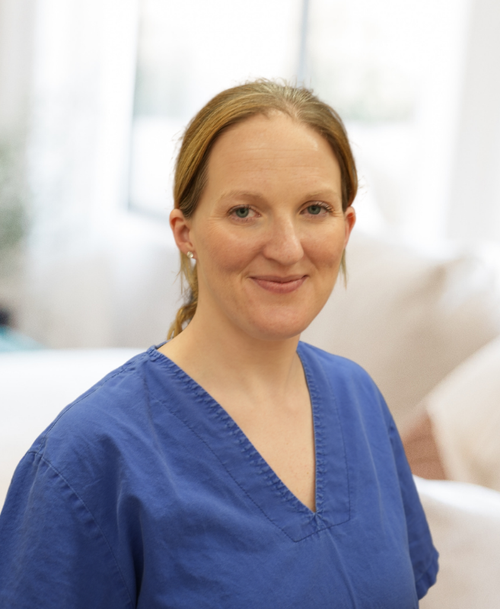
Sarah Millward
Skin Cancer Nurse Specialist
Skin checks, mole screening, and early skin cancer detection.
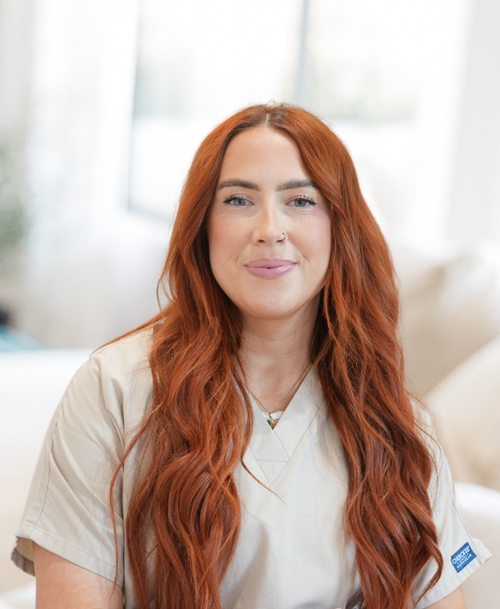
Laura O'Hare
Skin Cancer Nurse Specialist
Skin lesion care, post-surgical recovery, and private dermatology services.
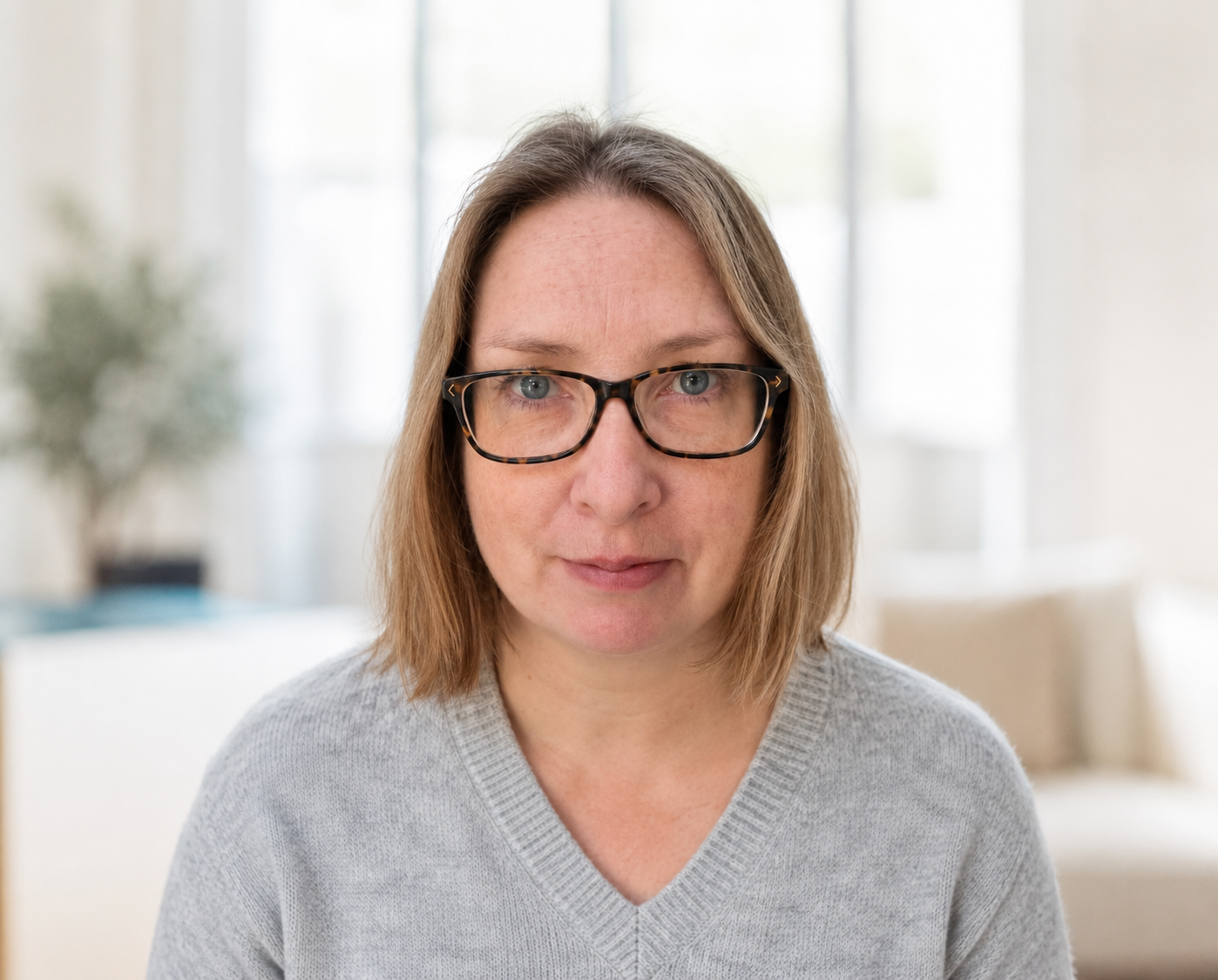
Jackie Brighton
Skin Cancer Nurse Specialist
Expert mole checks, lesion assessment, and aftercare for skin cancer patients.
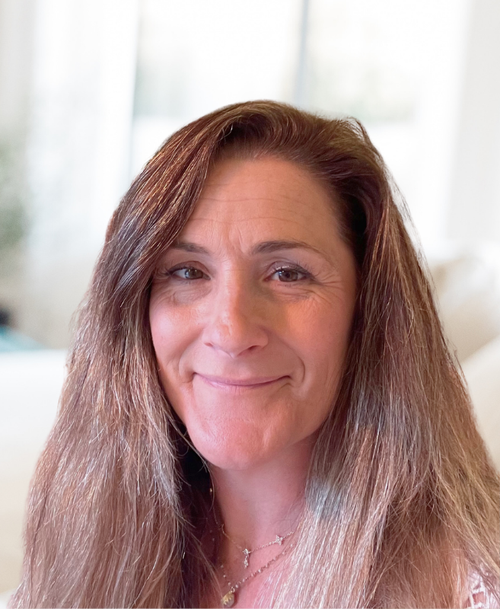
Jennifer Povey
Skin Cancer Nurse Specialist
Skin care treatment, photodynamic therapy (PDT), cryotheraphy, and personalised patient care.
Mr. Kuen Yeow Chin
Consultant Plastic Surgeon & Skin Cancer Specialist
Reconstructive surgery and advanced skin cancer treatment
OUR CARE, STEP BY STEP
From diagnosis to all-clear
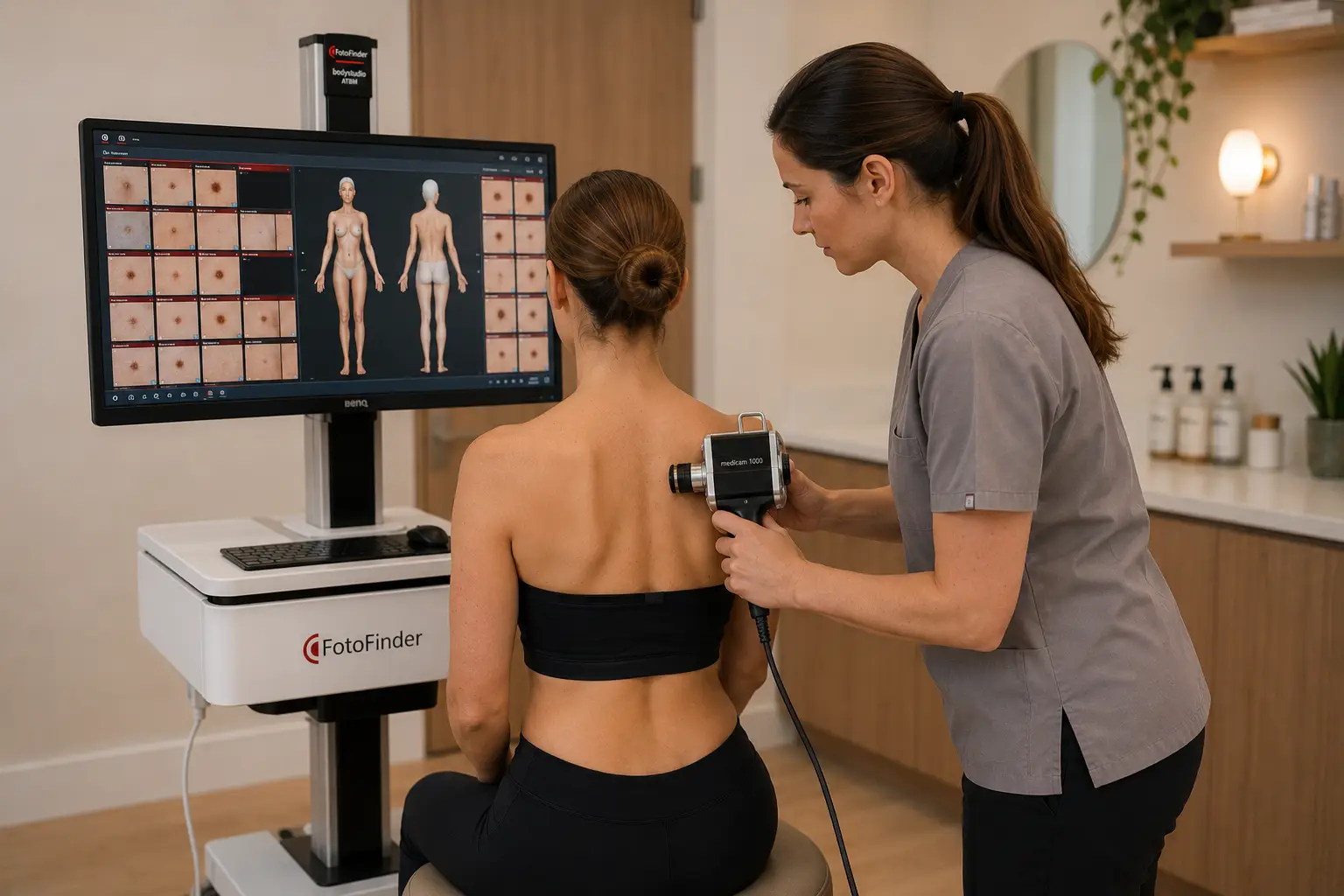
A skin cancer screening is a head-to-toe examination of your skin by a clinician trained in spotting the early signs of melanoma, basal cell carcinoma and squamous cell carcinoma. At Apex, every screening uses digital dermoscopy, a magnified view beneath the skin's surface that is the gold standard for assessing moles and lesions.
1
Treatment consultation
Your plan is built on your histology, imaging and preferences, and explained in plain language. Nothing is booked until you understand it.
2
Pre-operative assessment
A health review, anaesthetic and recovery planning, and practical arrangements such as transport for general anaesthetic procedures.
3
Your procedure
In our on-site theatre. Most excisions are done under local anaesthetic with home the same day; node procedures are day case or involve 1 to 2 nights.
4
Results and follow-up.
Histology explained at follow-up, wound review and stitch removal at 5 to 14 days, and the onward plan agreed with you.
5
Long-term monitoring
Surveillance matched to your risk: follow-up skin checks, mole mapping for higher-risk patients, and a nurse team you can call between appointments.

Transparent Pricing
Treatment pricing
The right price depends on your histology, the site and the technique, so your quote is personal, and confirmed in writing before anything is booked. Care is recognised by major insurers, with full documentation provided for claims.
Consultation
Your diagnosis reviewed, your options explained in plain language, and your plan agreed. Your fee is confirmed when you book.
£300
Surgical Excision of Skin Cancer
Your written quote reflects the size and site of the cancer and whether reconstruction is needed.
£1,000
Also quoted individually: photodynamic therapy from £800, wound reconstruction with graft or flap from £1,500, lymph node clearance from £4,800. Every quote is confirmed in writing before you decide anything.
RECOVERY & AFTERCARE
After your procedure
You leave with tailored wound care instructions and a dressing plan, not a generic leaflet: what to keep dry, when dressings change, and what normal healing looks like day by day. Stitches, where used, come out at 5 to 14 days depending on the site. Scar care follows healing: silicone gel, massage and strict sun protection, with our skin cancer nurse specialists guiding each stage and available on the phone throughout your recovery.
Then care shifts from treatment to vigilance. Your follow-up plan is matched to your risk: routine skin checks for most patients, mole mapping surveillance for higher-risk skin, and clear guidance on the changes that should bring you back sooner.
Then care shifts from treatment to vigilance. Your follow-up plan is matched to your risk: routine skin checks for most patients, mole mapping surveillance for higher-risk skin, and clear guidance on the changes that should bring you back sooner.
Where to find us
Consultant-Led Care At Berkshire Grove Hospital
Apex Medical is based at Berkshire Grove Hospital, Grove House, Waltham Road, White Waltham, Maidenhead SL6 3TN, with clinics also at the Parkside Suite. Patients travel to us from Maidenhead, Windsor, Reading, Bracknell and Slough, and from across Berkshire, Surrey, Oxfordshire and London, for consultant-led care in a regulated private hospital without long waiting times. On-site parking is available.
Opening hours: Monday to Friday, 9:00am to 5:30pm · Saturday by appointment only · Sunday closed
Or call 020 3871 5898
Opening hours: Monday to Friday, 9:00am to 5:30pm · Saturday by appointment only · Sunday closed
Or call 020 3871 5898
Opening hours:
Monday to Friday 9:00am to 5:30pm | Saturday by appointment only | Sunday closed
Phone
020 3871 5898
COMMON QUESTIONS
Frequently asked questions
Common questions about skin cancer treatment and surgery at Apex Medical
Most BCCs, SCCs and melanomas are best treated with surgical excision. For early or superficial skin cancers, non-surgical options such as PDT, cryotherapy or topical treatments may be suitable. Your consultant will explain every option that applies to you.
Sometimes, yes. Superficial BCCs, Bowen's disease and actinic keratoses can respond well to PDT, cryotherapy or topical treatments. Invasive cancers usually need excision, and we'll always be honest about which category yours falls into.
Yes. All surgical excision leaves a scar. We minimise it with precise technique, plastic surgeon led closure on sensitive sites, and structured scar care afterwards, including silicone treatments and massage guidance.
A graft is skin taken from another part of the body; a flap is nearby tissue moved while keeping its blood supply. Your surgeon recommends whichever gives the best result for healing, function and appearance.
Skin cancers often continue to grow, and delay increases the risk of spread, especially for SCC and melanoma. Early treatment gives the best outcomes and usually the simplest surgery.
It shows whether melanoma has spread to the nearby lymph nodes before any swelling can be felt. It's a staging tool: the result guides whether you need further treatment or can be safely monitored.
Your consultant will explain the next steps, which may include staging scans, referral for immunotherapy, or surgical clearance, decided with a multidisciplinary team.
Not always. It's a known risk, particularly after groin or armpit surgery, but early physiotherapy, compression and manual lymphatic drainage can significantly improve or prevent it.
Light activity usually resumes within 2 to 3 weeks. More extensive procedures can take 4 to 6 weeks or longer, and your consultant will give you a personalised picture.
Mohs is a specialised technique for certain BCCs in high-risk locations. Where it's the right option for you, we'll say so and refer you appropriately; where standard excision achieves the same outcome, we'll explain why.
Every excised lesion goes to histology, so nothing is missed. If cancer is found, your consultant explains the result and arranges any further treatment, from wider excision to onward referral, without delay.
Patient Stories.
In our patients' own words
ARRANGE A CONSULTATION
Same-Week Appointments
Start your treatment plan
If you've been diagnosed with skin cancer, or told you might have it, the most useful thing we can offer is clarity: what you have, what it means, and exactly what happens next. Bring your referral letter, histology or scans if you have them; bring nothing but questions if you don't.
Consultant-led private skin, hands and aesthetic care across Berkshire. Precise, caring and expert.