COSMETIC SURGERY | BREAST
Breast Uplift (Mastopexy)
Not bigger, not smaller: lifted back to where it started. Consultant plastic surgeon led breast uplift surgery, on its own or combined with implants, with the honest conversation first.
Hospital stay
Day case or overnight
Surgery
2.5 to 3 hours
Back to work
1 to 2 weeks
Final result
3 to 6 months
Is this you?
Most people who come to us for breast reduction surgery say one of these things:
Everything's still there. It just all sits lower than it used to.
After breastfeeding two children, I'd like my shape back.
I don't want to be bigger. I want to be where I was.
Bras do all the work now. Nothing fits the way it did.
I lost three stone, and my chest paid for it.
Implants aren't for me. I just want the lift.
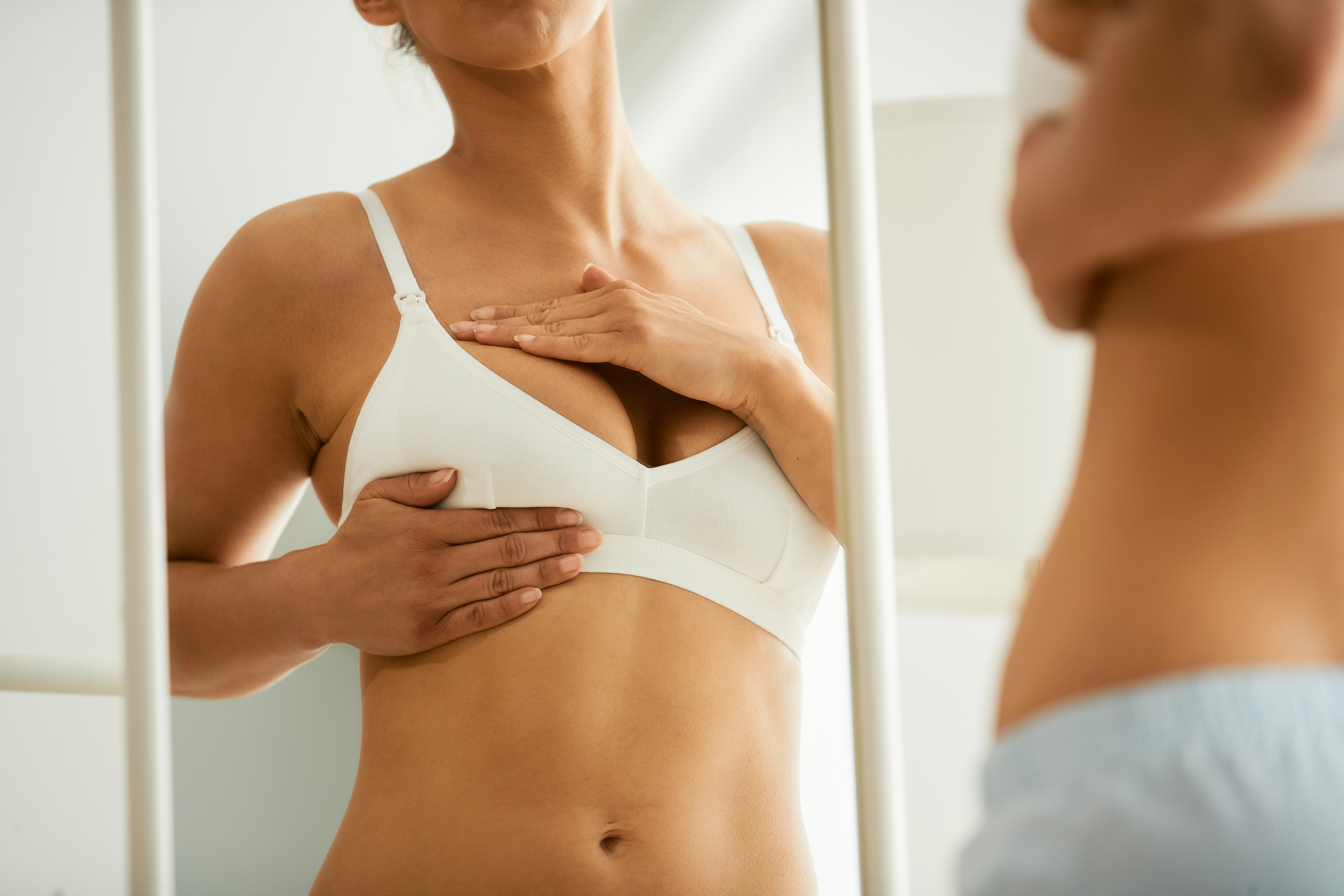
Sagging has ordinary causes: pregnancy, breastfeeding, weight loss and time. An uplift doesn't change your size; it restores where your shape sits, which for many patients is the whole ask.
THE operation, EXPLAINED
What is a breast uplift?
A breast uplift (mastopexy) is surgery to lift and reshape sagging breasts by removing excess, stretched skin and repositioning the nipple to sit naturally on the restored contour. It addresses the drop that follows pregnancy, breastfeeding, weight loss or simply time, and can also reduce a stretched areola. Surgery takes around 2.5 to 3 hours under general anaesthetic, as a day case or with one overnight stay.
An uplift changes position, not volume. If you're happy with your size, a mastopexy alone is the answer; if you'd also like fuller upper shape or projection, implants can be added in the same operation. Which of those is honestly right for you is a consultation question, not a menu choice, and you'll get a straight recommendation either way.
An uplift changes position, not volume. If you're happy with your size, a mastopexy alone is the answer; if you'd also like fuller upper shape or projection, implants can be added in the same operation. Which of those is honestly right for you is a consultation question, not a menu choice, and you'll get a straight recommendation either way.

HONEST SUITABILITY
Who a breast uplift is right for
Good candidates usually arrive with the same story: the volume is fine, or at least acceptable, but the position has changed, after children, after breastfeeding, after significant weight loss, or simply with the years. The honest screens are familiar and they matter.
A stable weight comes first, because further significant change re-stretches what surgery has tightened. Smoking is discussed frankly, since it slows healing in an operation that depends on skin recovering well.
If more children or breastfeeding are in your plans, timing deserves a real conversation, because pregnancy can undo an uplift and surgery can affect breastfeeding. The implants question is settled honestly: adding volume you didn't ask for is upselling, not surgery, and you won't get it here.
If a consultation ends with "not yet" or "an uplift alone is all you need", that's the advice you'll hear.
A stable weight comes first, because further significant change re-stretches what surgery has tightened. Smoking is discussed frankly, since it slows healing in an operation that depends on skin recovering well.
If more children or breastfeeding are in your plans, timing deserves a real conversation, because pregnancy can undo an uplift and surgery can affect breastfeeding. The implants question is settled honestly: adding volume you didn't ask for is upselling, not surgery, and you won't get it here.
If a consultation ends with "not yet" or "an uplift alone is all you need", that's the advice you'll hear.
Apex Medical
Expert care for the
change you choose.


HOW IT'S DONE
Lollipop or anchor, chosen by the lift you need
Two established patterns cover most uplifts. The vertical (lollipop) uplift, a circle around the areola with a line down to the breast crease, suits moderate lifts. The inverted-T (anchor) uplift adds a line along the crease, and handles more significant sagging, where more skin has to be reshaped. In both, excess skin is removed, the breast tissue is reshaped, and the nipple is repositioned; implants can be added in the same procedure where fullness is wanted. Incisions close with dissolvable stitches, and a fitted surgical bra supports the new shape from the moment you wake. The pattern you're offered is decided by your anatomy and the degree of lift, and you'll understand the scar trade-off before you decide.
A good uplift is a repositioning, not an enlargement in disguise. The judgement at consultation is where your shape should sit on your frame, and the least surgery that honestly gets it there.
A good uplift is a repositioning, not an enlargement in disguise. The judgement at consultation is where your shape should sit on your frame, and the least surgery that honestly gets it there.
Consultant-led care
Operated on by
the surgeon you meet
An uplift is decided millimetre by millimetre in theatre: how much skin, where the nipple sits, how the two sides balance. That judgement, breast by breast, is what you're choosing a surgeon for.
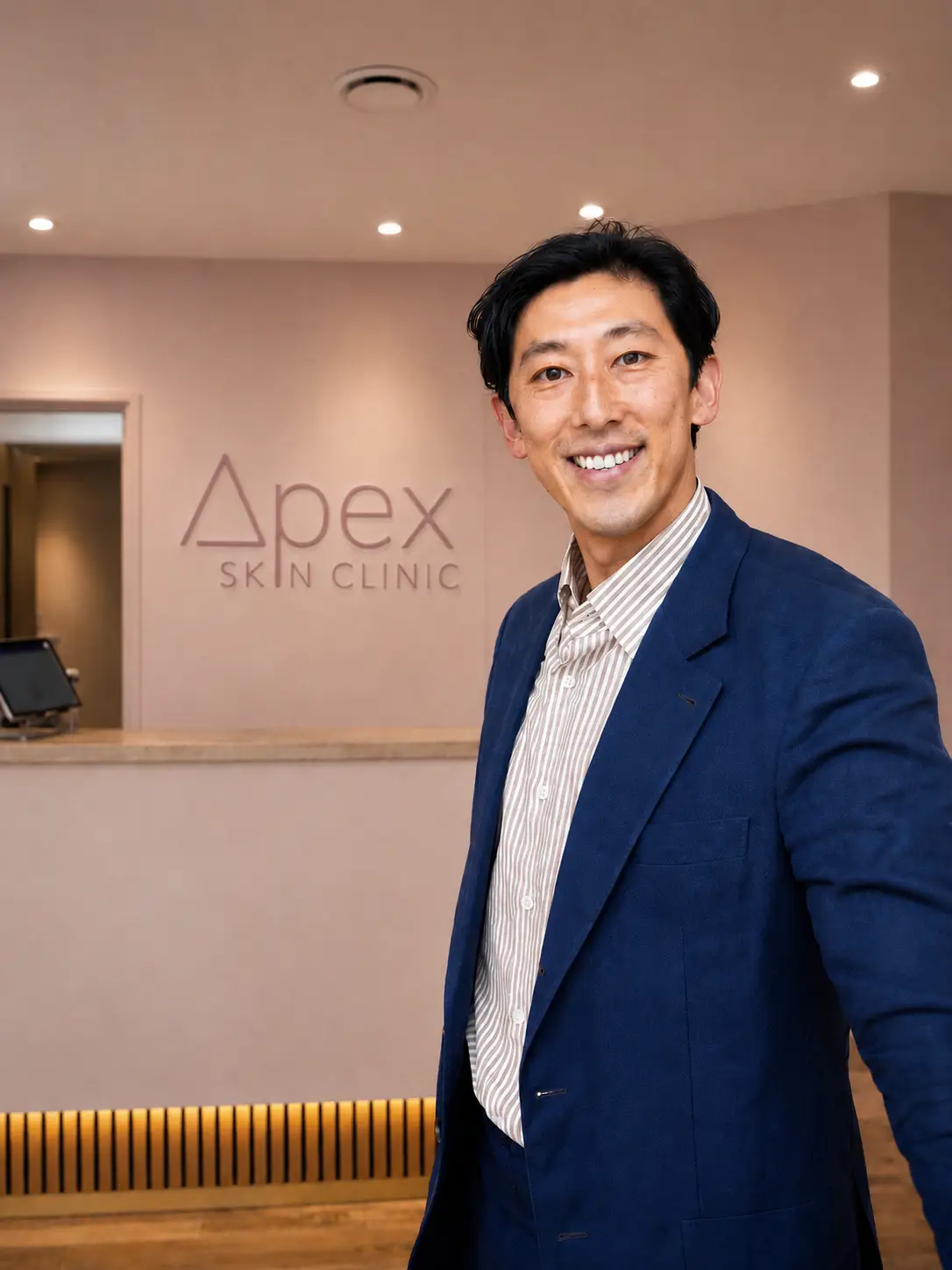
At Apex, breast uplift surgery is planned and performed personally by Mr Kuen Yeow Chin, Consultant Plastic Surgeon and founder of Apex, whose practice spans reconstructive and cosmetic breast surgery. The surgeon you meet at consultation is the surgeon who operates, and the same surgeon reviews your result at every follow-up.
At Apex, breast uplift surgery is planned and performed personally by Mr Kuen Yeow Chin, Consultant Plastic Surgeon and founder of Apex, whose practice spans reconstructive and cosmetic breast surgery. The surgeon you meet at consultation is the surgeon who operates, and the same surgeon reviews your result at every follow-up.
Your clinical team:

Mr. Kuen Yeow Chin
Consultant Plastic Surgeon & Skin Cancer Specialist
Reconstructive surgery and advanced skin cancer treatment

Mr Dominic Yue
Consultant Plastic Surgeon
Specialist in cosmetic and reconstructive surgery
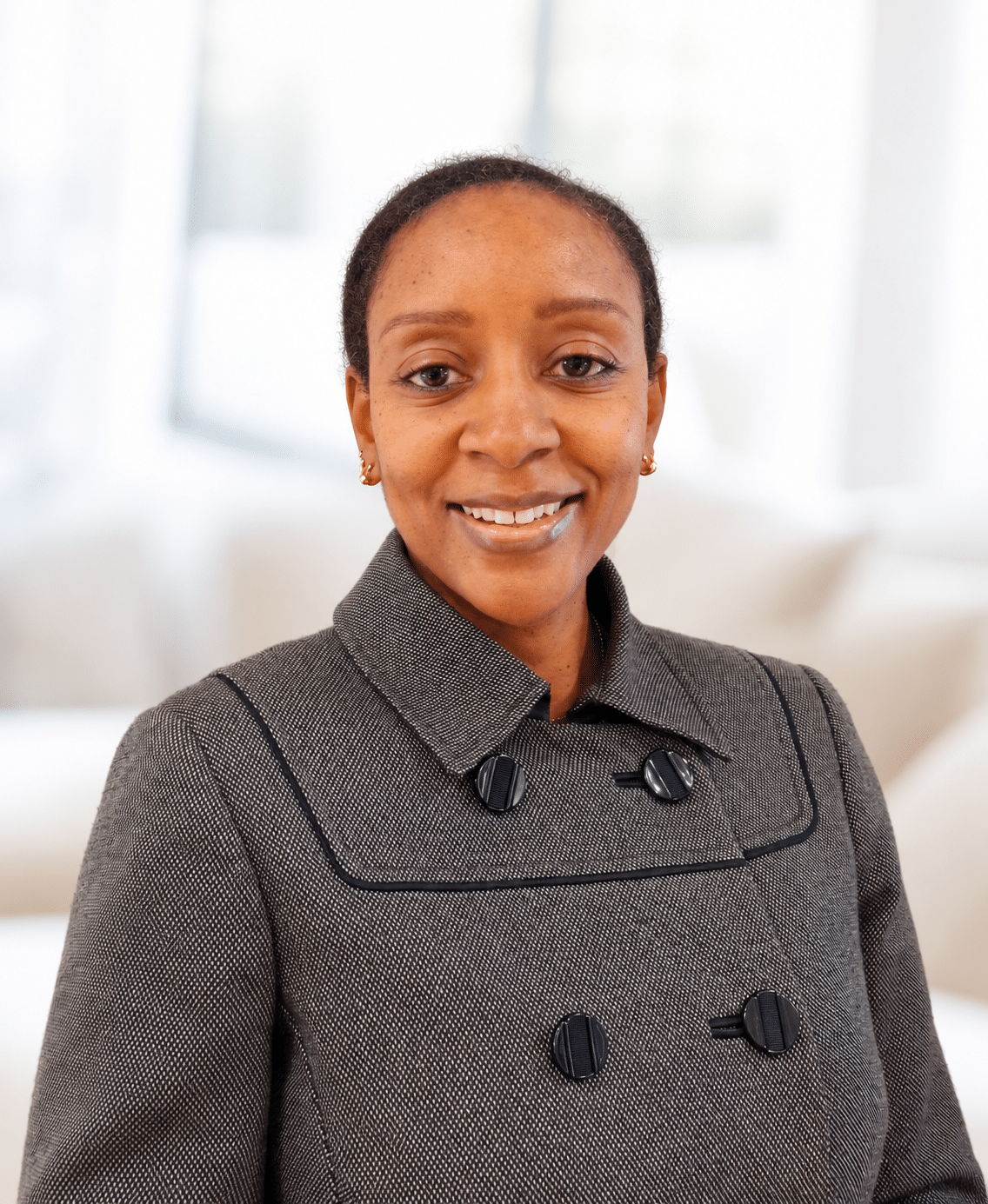
Ms Rudo Madada
Consultant Plastic Surgeon
Specialist in plastic, reconstructive and hand surgery
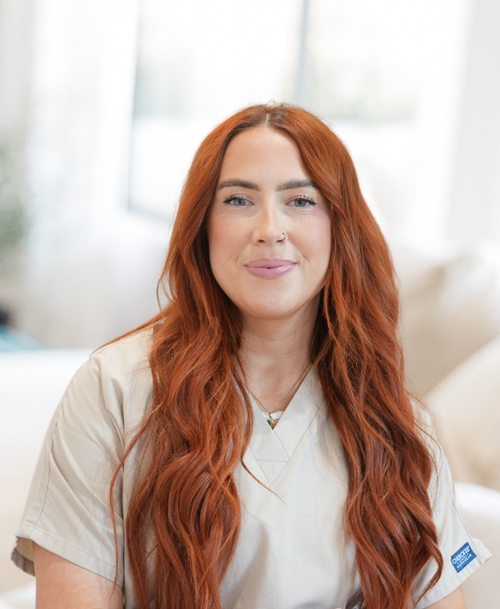
Laura O'Hare
Skin Cancer & Plastic Surgery Nurse Specialist
Expert mole checks, lesion assessment, and aftercare for skin cancer patients.
YOUR CARE, STEP BY STEP
How breast uplift surgery works at Apex
Five steps, two of them before anyone operates: an honest consultation, then time to think. Position is the point; pressure isn't part of it.
1
Consultation
Assessment of your breast volume, nipple position and tissue tone to determine the lift required; the standalone-or-with-implants question answered honestly; risks, scarring and recovery explained plainly; a written quote.
2
Two weeks to think
Cooling-off as standard; the quote holds.
3
Pre-operative assessment
Health screening, medication review, smoking cessation as advised.
4
Surgery day
General anaesthetic, 2.5 to 3 hours; home the same day or after one night, in a fitted surgical bra.
5
Recovery and review.
The surgical bra for six weeks; desk work from one to two weeks; light exercise from three to four weeks, full activity from six to eight; the settled result reviewed with your surgeon at three to six months.

Transparent Pricing
Breast Uplift Pricing
Fixed, transparent pricing with no hidden extras. Your exact quote is confirmed in writing at consultation, and it holds through your two-week cooling-off period.
Consultation
£350
Breast Uplift (Mastopexy)
£6,200
Your final quote reflects the complexity of your lift and whether implants are included, and is always confirmed in writing before you book.
ONGOING CARE
Recovery, week by week
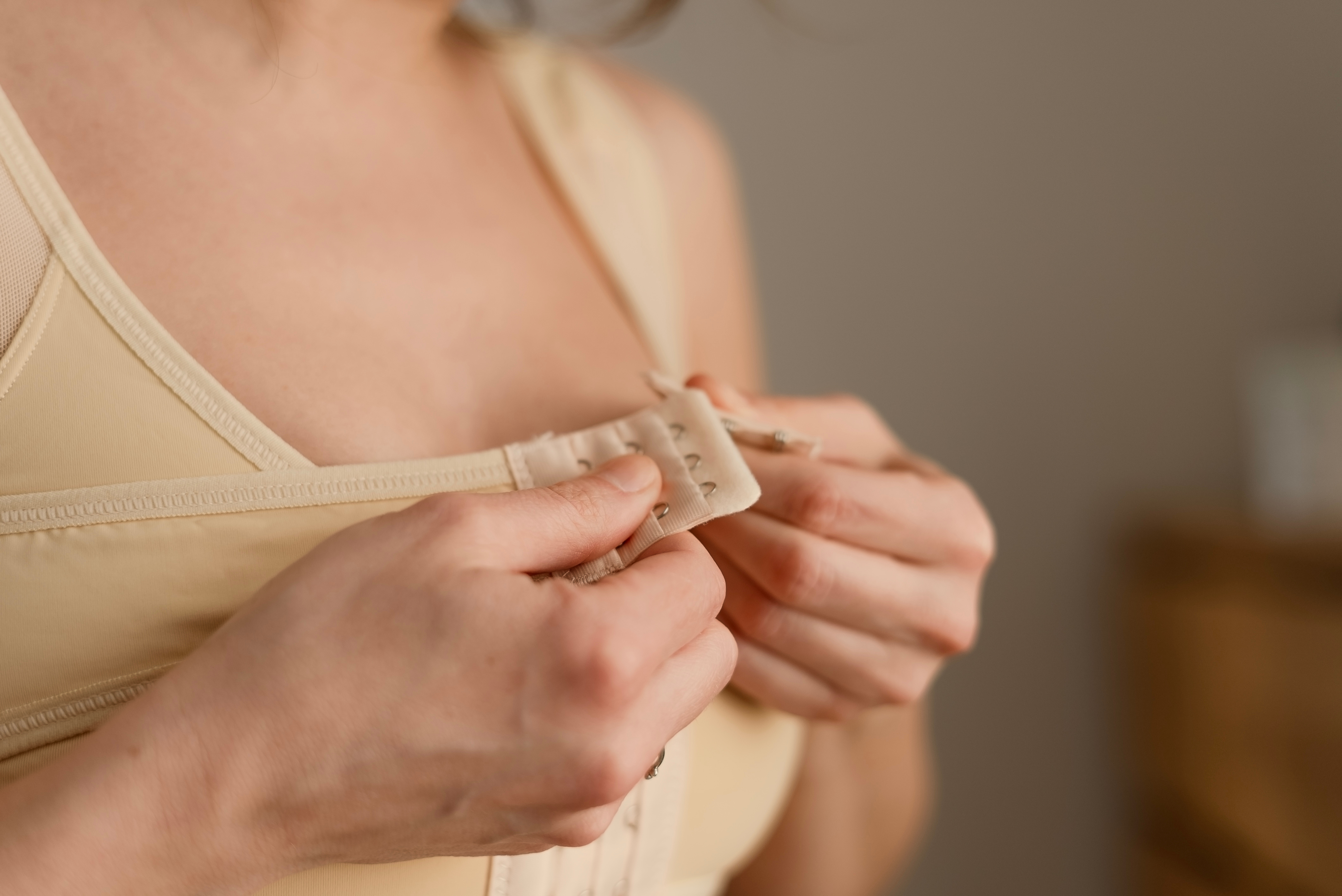
Week one brings swelling, tightness and mild discomfort, the surgical bra worn day and night, gentle walking encouraged, and sleep on your back with your upper body slightly elevated.
Weeks two to three, swelling and bruising recede, desk work and light tasks resume, and the bra stays on, including overnight; sleeping on your stomach waits. Weeks four to six, light exercise returns and the breasts begin taking their new shape, with side-sleeping once your surgeon clears it.
Full activity returns at six to eight weeks, and the final position settles over three to six months as scars soften and fade. A stable weight and a well-fitted bra are what protect the result long-term, and your aftercare plan puts all of this in writing, with consultant-led support throughout.
Weeks two to three, swelling and bruising recede, desk work and light tasks resume, and the bra stays on, including overnight; sleeping on your stomach waits. Weeks four to six, light exercise returns and the breasts begin taking their new shape, with side-sleeping once your surgeon clears it.
Full activity returns at six to eight weeks, and the final position settles over three to six months as scars soften and fade. A stable weight and a well-fitted bra are what protect the result long-term, and your aftercare plan puts all of this in writing, with consultant-led support throughout.
Where to find us
Consultant-led care at Berkshire Grove Hospital
Apex Medical is based at Berkshire Grove Hospital, Grove House, Waltham Road, White Waltham, Maidenhead SL6 3TN, with clinics also at the Parkside Suite. Patients travel to us from Maidenhead, Windsor, Reading, Bracknell and Slough, and from across Berkshire, Surrey, Oxfordshire and London, for consultant-led care in a regulated private hospital without long waiting times. On-site parking is available.
Opening hours: Monday to Friday, 9:00am to 5:30pm · Saturday by appointment only · Sunday closed
Call 020 3871 5898
Opening hours: Monday to Friday, 9:00am to 5:30pm · Saturday by appointment only · Sunday closed
Call 020 3871 5898

COMMON QUESTIONS
Frequently asked questions
Common questions about breast uplift surgery at Apex Medical
Not always. If you're happy with your volume, a mastopexy alone lifts and reshapes without adding size, and it's the most effective way to correct sagging without implants. If you'd like fuller upper shape or projection, implants can be added during the same procedure. The honest answer for your anatomy comes at consultation.
Many women can, although it isn't guaranteed. Techniques aim to preserve the milk ducts and supply where appropriate, and your ability depends on the surgical plan and your anatomy. If future breastfeeding matters to you, say so at consultation so it shapes the technique.
Results typically last 10 to 15 years. Ageing continues naturally, but the lift leaves the breasts sitting more youthfully than they would have, and a stable weight with a well-fitted bra extends the result.
Most patients describe tightness or pressure rather than pain. Discomfort is well managed with medication and improves significantly within the first week.
The common and temporary ones: bruising, swelling, mild discomfort, temporary changes in nipple sensitivity, and tightness around the incisions. The permanent one: scars in the lollipop or anchor pattern, which soften and fade over months but never vanish. The less common ones: bleeding, infection, wound healing delays, scar widening or firm scar tissue, asymmetry or contour irregularity, fat necrosis and milk duct disruption. Your surgeon names these plainly at consultation, with real numbers, and all surgery takes place in CQC-registered hospitals with consultant-led aftercare throughout.
Gentle walking within the first week, light workouts from three to four weeks, and full activity at six to eight weeks, guided personally at your reviews.
On your back with your upper body slightly elevated for at least the first two to three weeks, with pillows for support. Side and stomach sleeping return once your surgeon clears them.
Yes, it's one of the most common reasons patients seek one, and it can be planned alongside other post-weight-loss procedures where appropriate. That wider conversation happens honestly at consultation.
Patient Stories.
In Our Patients' Own Words
BOOK A CONFIDENTIAL CONSULTATION
No GP Referral Needed
Lifted, not changed
One consultation settles it: the lift your shape needs, whether implants genuinely belong in the plan, the scars involved, and the cost in writing. Then two weeks to think, as standard.
Consultant-led private skin, hands and aesthetic care across Berkshire. Precise, caring and expert.