SKIN | SKIN CANCER CARE
Skin Cancer: Types, Signs and Treatment
Private, consultant-led skin cancer care at Berkshire Grove Hospital, Maidenhead. From first check to full treatment, without a GP referral.
GP Referral
None required
Appointments
Often same week
Diagnosis
Consultant-led
Full Pathway
All in house




Is this you
Most people reading this page are thinking one of these things:
A mole has changed and I don't know if it's something or nothing.
My GP said it's probably fine, but I can't stop checking it.
I've just been told it might be skin cancer and I don't fully understand what that means.
Skin cancer runs in my family and I want to stay ahead of it.
I spent years in the sun and now every new mark worries me.
I'm worried about a patch of skin on someone I love, and they won't get it looked at.
Whichever it is, here's the honest starting point: most skin changes turn out to be harmless, and most skin cancers, found early, are very treatable. This page explains the types, the warning signs, and exactly what happens next at Apex, so you can act on knowledge rather than worry.

UNDERSTANDING SKIN CANCER
Skin cancer is not one disease. Here's what you should know
Skin cancer is the uncontrolled growth of abnormal skin cells, most often triggered by UV damage from the sun or sunbeds. There are several distinct types, each starting in a different layer or cell of the skin, which is why they look different, behave differently, and are treated differently.
Different skin cancers originate in different cells. Basal cells at the base of the epidermis give rise to slow-growing basal cell carcinoma. Squamous cells in the outer layer can produce squamous cell carcinoma, which may spread if neglected. Melanocytes, the pigment-producing cells, give rise to melanoma, the most serious type, capable of spreading through the body if not treated early. Understanding these differences is what drives our consultant-led treatment decisions.
Different skin cancers originate in different cells. Basal cells at the base of the epidermis give rise to slow-growing basal cell carcinoma. Squamous cells in the outer layer can produce squamous cell carcinoma, which may spread if neglected. Melanocytes, the pigment-producing cells, give rise to melanoma, the most serious type, capable of spreading through the body if not treated early. Understanding these differences is what drives our consultant-led treatment decisions.
THE MAIN TYPES
The main types of skin cancer
From the most common to the most serious, these are the seven types we diagnose and treat most often, including the pre-cancerous changes that are simplest to deal with when caught early. Each behaves differently, and knowing which one you're dealing with shapes everything that follows: how urgently it needs attention, how it's confirmed, and how it's treated.
You don't need to identify your own lesion from this list. If something on your skin is worrying you, a check gives you a clear answer, usually in a single appointment.
You don't need to identify your own lesion from this list. If something on your skin is worrying you, a check gives you a clear answer, usually in a single appointment.
1
Melanoma

Develops in the pigment-producing melanocytes and is the most serious form of skin cancer. It may begin in an existing mole or appear as a new, dark, irregular lesion, becoming larger, uneven or itchy over time. Key signs are asymmetry, uneven borders, varied colour, a diameter larger than 6mm, and rapid evolution. Changes usually occur on sun-exposed areas such as the face, scalp, arms and back, but can also appear under the nails, between the toes, or on the soles of the feet.
2
Basal cell carcinoma (BCC)
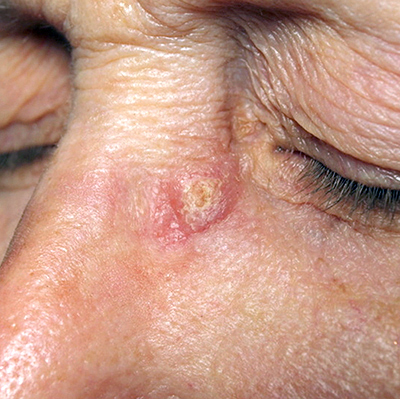
The most common skin cancer in the UK, particularly with frequent sun exposure. Typically seen on the face, scalp and ears as a shiny or pearly bump, a flat red patch, or a scab that doesn't heal. It grows slowly but can damage surrounding tissue if left untreated. We treat all subtypes, prioritising cosmetic preservation on visible areas such as the nose, eyelids and lips.
3
Squamous cell carcinoma (SCC)
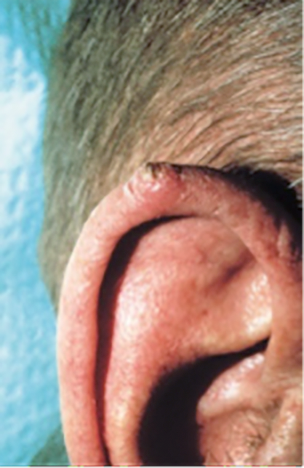
May present as a scaly, firm red nodule or a crusted sore that doesn't heal, most often on the lips, scalp, ears and hands. SCCs carry a risk of spreading to lymph nodes, so timely assessment matters.
4
Melanoma in situ / lentigo maligna.
The earliest stage of melanoma, confined to the outer layer of skin. It often appears as a slowly enlarging, irregularly pigmented patch on sun-damaged skin such as the face. Caught at this stage, treatment is typically straightforward.
5
Actinic (solar) keratosis.
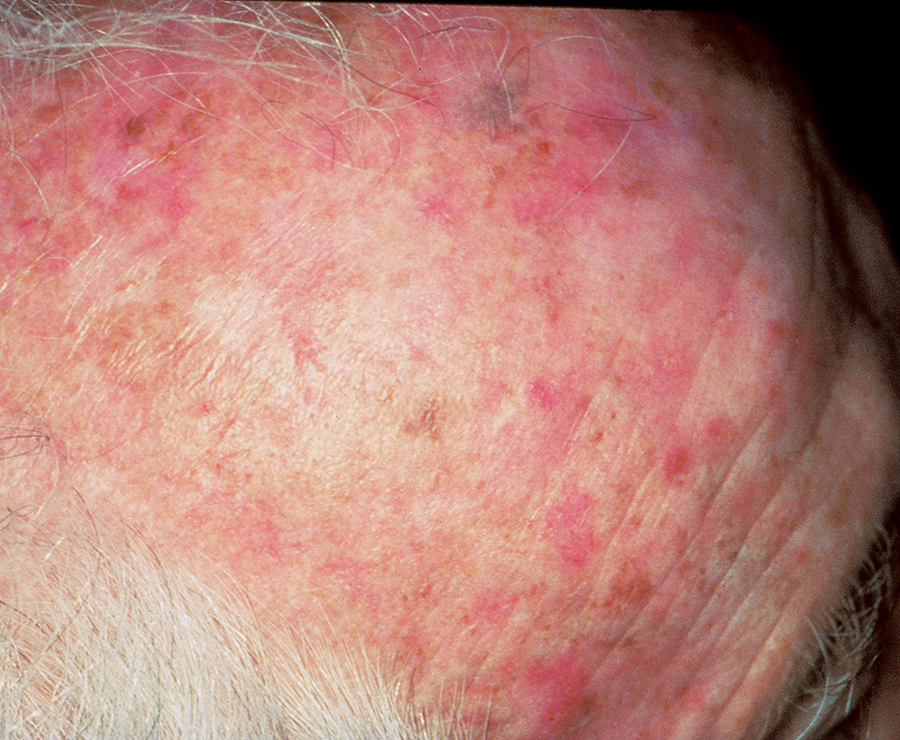
A pre-cancerous change: rough, sandpaper-like patches on sun-exposed areas such as the forehead, scalp and backs of the hands. Some can progress to SCC if untreated. Treatment options include cryotherapy, topical therapies and photodynamic therapy.
6
Bowen's disease.
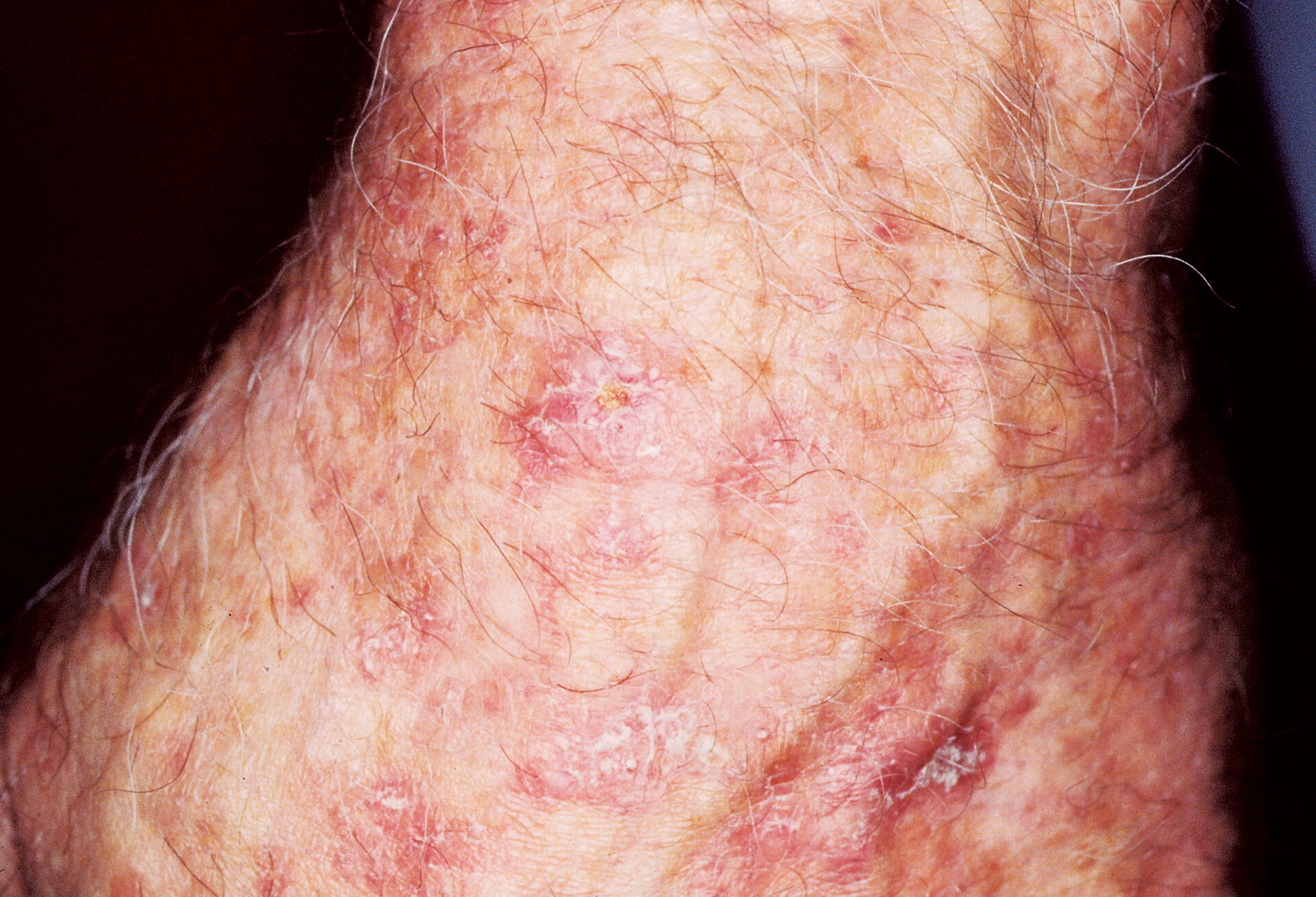
SCC in situ: a red, scaly patch that can resemble eczema. Initially confined to the upper skin layer, it can become invasive if untreated. Diagnosis is confirmed by biopsy, followed by cryotherapy, topical agents or minor surgery.
7
Keratoacanthoma and mimicking lesions.
Dome-shaped growths that resemble SCC but often behave less aggressively. Because of their rapid growth and similarity to malignant lesions, they are usually removed for definitive diagnosis. We assess all similar-looking lesions to determine whether reassurance, monitoring or removal is right.

KNOW WHAT TO LOOK FOR
Signs worth getting checked
It's time to book a check if you notice a mole that has changed in colour, shape or size, a sore that hasn't healed, a new patch of rough, scaly skin, a growth that bleeds, itches, crusts or becomes inflamed, or a shiny bump that keeps returning. The ABCDE guide is a simple way to assess a mole at home, and our guide to the early signs of skin cancer covers what to look for in detail.
Noticing a sign doesn't mean you have skin cancer. Most checked lesions turn out to be benign. It means a professional assessment is the sensible next step, because found early, most skin cancers, including melanoma, are treated successfully and simply.
Noticing a sign doesn't mean you have skin cancer. Most checked lesions turn out to be benign. It means a professional assessment is the sensible next step, because found early, most skin cancers, including melanoma, are treated successfully and simply.
YOUR CARE PATHWAY
One team, from first check to all-clear
Apex provides the complete pathway in one place: screening and mole mapping, dermoscopy and biopsy, surgical and non-surgical treatment, reconstruction where needed, and long-term monitoring. All of it is consultant-led at Berkshire Grove Hospital, with no GP referral required and same-week appointments often available.
We also regularly provide second opinions, including for patients previously seen in Harley Street or other private clinics, and can take over care from your GP or another provider without delay.
We also regularly provide second opinions, including for patients previously seen in Harley Street or other private clinics, and can take over care from your GP or another provider without delay.
01
Consultation
A consultant dermatologist, plastic surgeon or specialist nurse reviews the lesion, your history, and your risk factors.
02
Dermoscopy and imaging
High-resolution dermoscopy examines the lesion beneath the surface, often paired with mole mapping for multiple or atypical moles.
03
Diagnosis
Your lesion is classified as benign, pre-cancerous or cancerous. If there's uncertainty, a biopsy is offered, often same-day in our on-site theatre.
04
Clinical review and plan.
Where treatment is needed, options are explained clearly and arranged quickly on-site. See treatment and surgery.
05
Ongoing care
For higher-risk patients: surveillance plans, annual skin checks and mole tracking.
Consultant-led care
Led by a Skin Cancer
Specialist You Can Trust.
Apex was founded by Mr Kuen Yeow Chin, Consultant Plastic Surgeon and Skin Cancer Lead at Frimley Health NHS Foundation Trust. He works closely with consultant dermatologists in the NHS and private sector, and has extensive experience treating patients diagnosed with melanoma and other skin cancers.
Your mole mapping appointment is carried out by our specialist skin cancer nurses under Mr Chin's clinical supervision. If anything needs further assessment, a follow-up consultation with Mr Chin is arranged promptly, so the person reviewing your results is the same person who would look after you if anything ever needed treating.
Your mole mapping appointment is carried out by our specialist skin cancer nurses under Mr Chin's clinical supervision. If anything needs further assessment, a follow-up consultation with Mr Chin is arranged promptly, so the person reviewing your results is the same person who would look after you if anything ever needed treating.
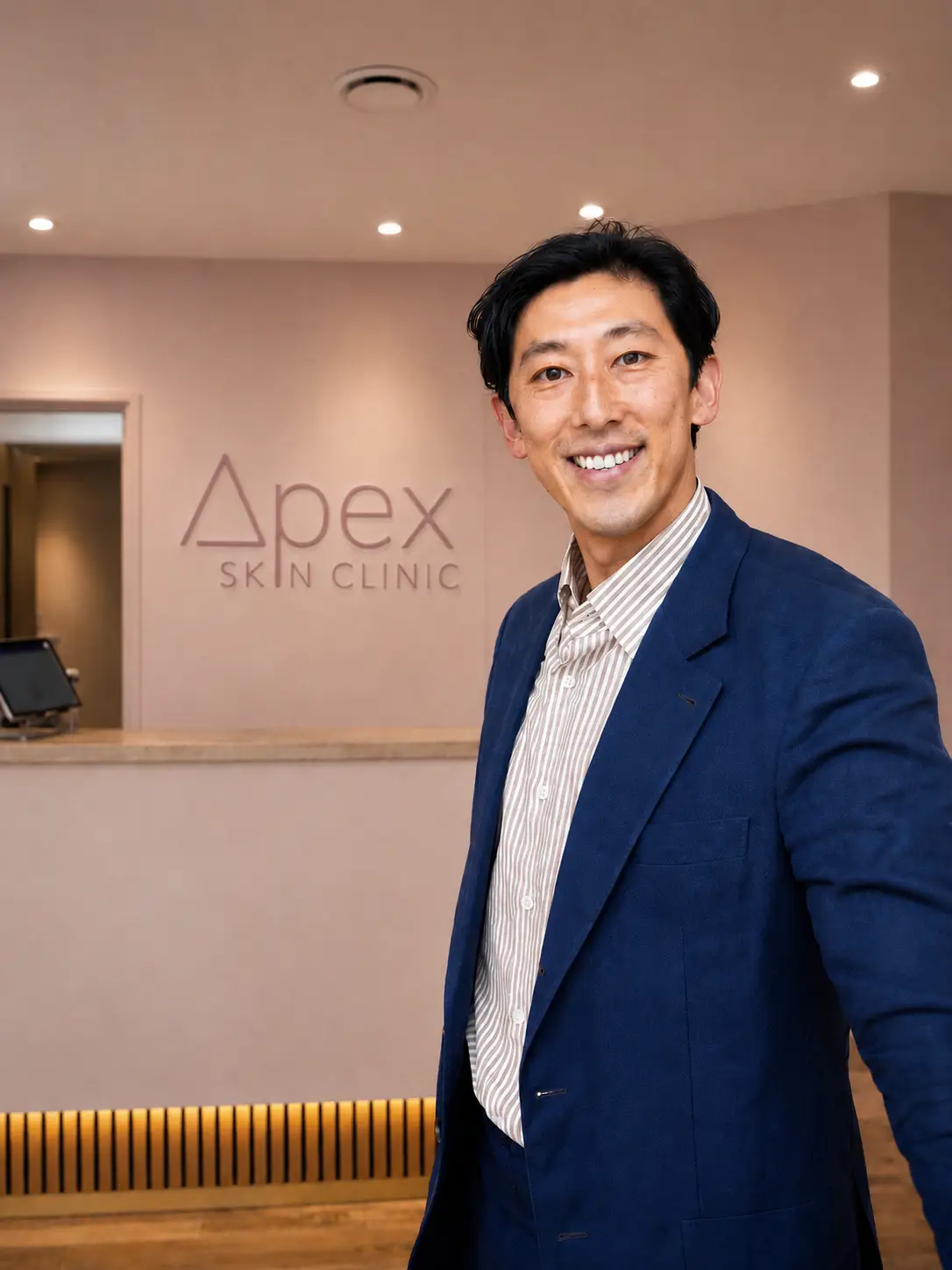
Your clinical team:

Mr. Kuen Yeow Chin
Consultant Plastic Surgeon & Skin Cancer Specialist
Reconstructive surgery and advanced skin cancer treatment
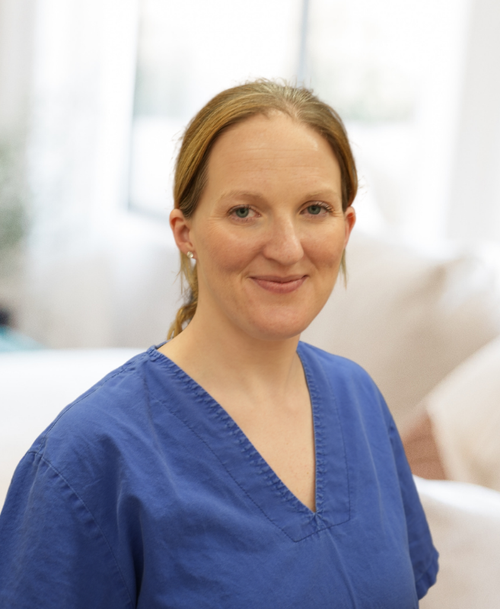
Sarah Millward
Skin Cancer Nurse Specialist
Skin checks, mole screening, and early skin cancer detection.
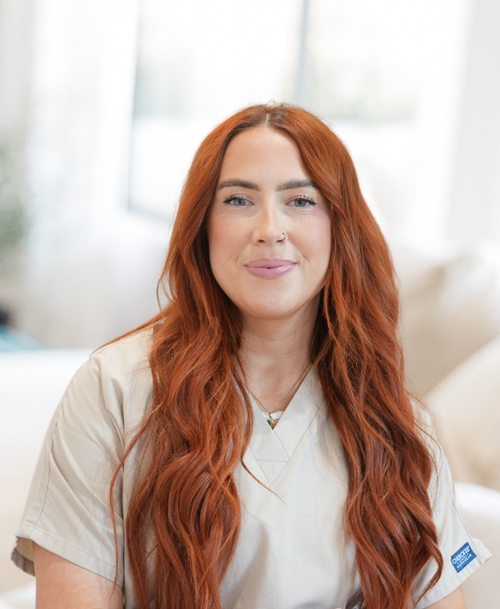
Laura O'Hare
Skin Cancer Nurse Specialist
Skin lesion care, post-surgical recovery, and private dermatology services.
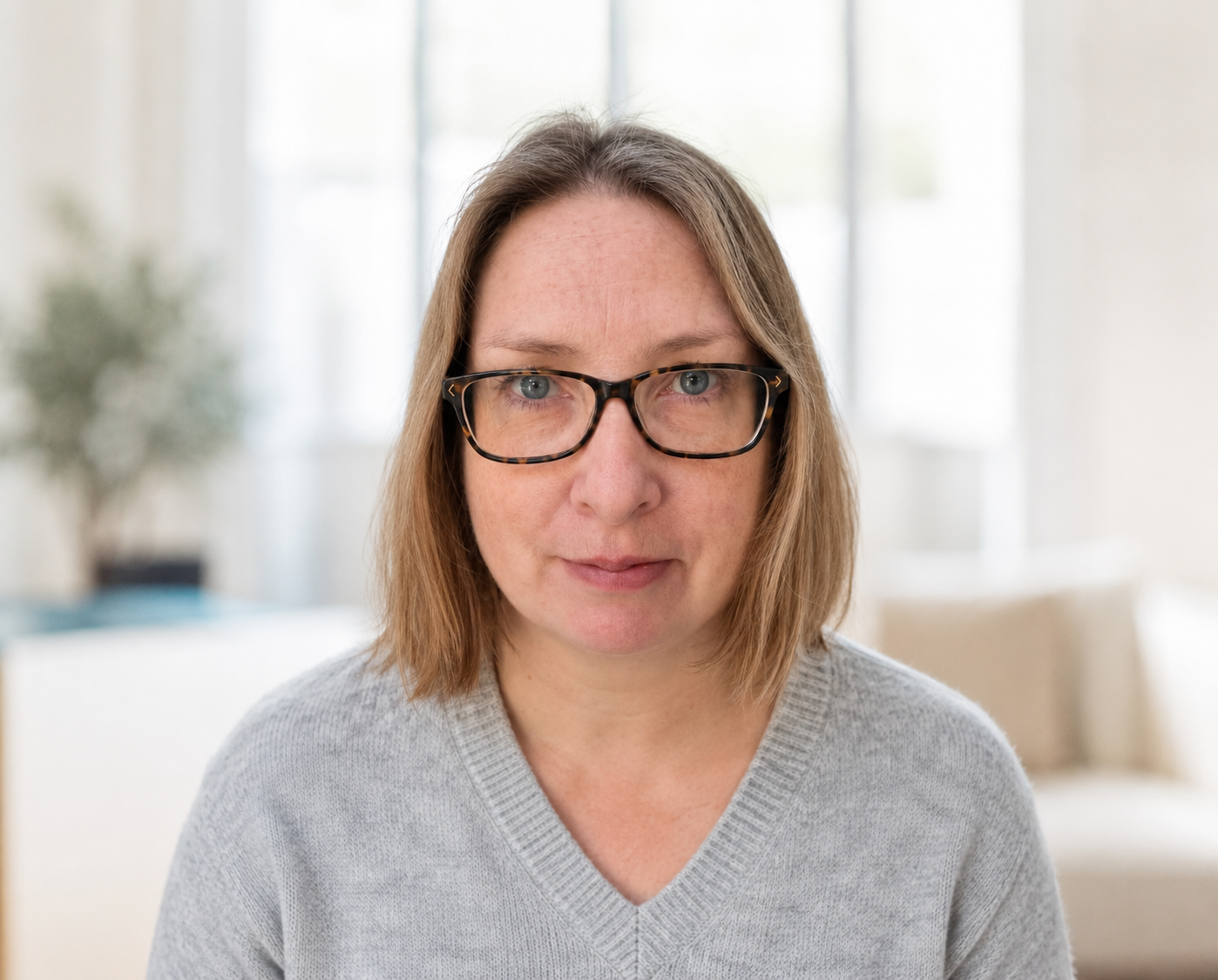
Jackie Brighton
Skin Cancer Nurse Specialist
Expert mole checks, lesion assessment, and aftercare for skin cancer patients.
Jennifer Povey
Skin Cancer Nurse Specialist
Skin care treatment, photodynamic therapy (PDT), cryotheraphy, and personalised patient care.
Mr. Kuen Yeow Chin
Consultant Plastic Surgeon & Skin Cancer Specialist
Reconstructive surgery and advanced skin cancer treatment
Where to find us
Patients travel to us from across the South East
Apex is based at Berkshire Grove Hospital, Grove House, Waltham Road, White Waltham, Maidenhead SL6 3TN, a quieter, specialist alternative for patients searching for a mole check in London who would rather avoid long waiting times. Patients visit us from Maidenhead, Windsor, Reading, Bracknell and Slough, and travel from across Berkshire, Surrey, Sussex, Oxfordshire and London for consultant-led care and FotoFinder imaging.
Opening hours:
Monday to Friday 9:00am to 5:30pm | Saturday by appointment only | Sunday closed
Phone
020 3871 5898
COMMON QUESTIONS
Frequently asked questions
Common questions about skin cancer at Apex Medical
Look for change: size, shape, colour or sensation. If a lesion becomes itchy, bleeds or starts changing rapidly, book a check. We use dermoscopy, and biopsy where needed, to give you a definitive answer rather than a guess.
BCC grows slowly and rarely spreads, though it can cause local damage if untreated. SCC can grow more quickly and may spread to other parts of the body if not treated early. Both need professional evaluation.
No. Not all melanomas spread, and early diagnosis allows treatment before cells move to other parts of the skin or lymph nodes. Found early, treatment is usually straightforward and highly effective.
No. Early or superficial cases may be managed with cryotherapy, topical treatments or photodynamic therapy, depending on type and stage. Your consultant will explain every suitable option.
Same-week appointments are often available, without a GP referral. Most patients are assessed within days, with same-site procedures where treatment is needed.
Useful for awareness, but often incomplete. Many cancers don't look like the textbook photos, and many harmless lesions do. Don't self-diagnose from images; a dermoscopic assessment gives you a real answer.
Yes. Many patients return annually for a full-body check or mole mapping, especially with previous skin cancers or multiple moles. Regular monitoring catches new or changing lesions early.
Patient Stories.
In our patents' own words
THE MAIN TYPES
The main types of skin cancer
From the most common to the most serious, these are the seven types we diagnose and treat most often, including the pre-cancerous changes that are simplest to deal with when caught early. Each behaves differently, and knowing which one you're dealing with shapes everything that follows: how urgently it needs attention, how it's confirmed, and how it's treated.
You don't need to identify your own lesion from this list. If something on your skin is worrying you, a check gives you a clear answer, usually in a single appointment.
You don't need to identify your own lesion from this list. If something on your skin is worrying you, a check gives you a clear answer, usually in a single appointment.
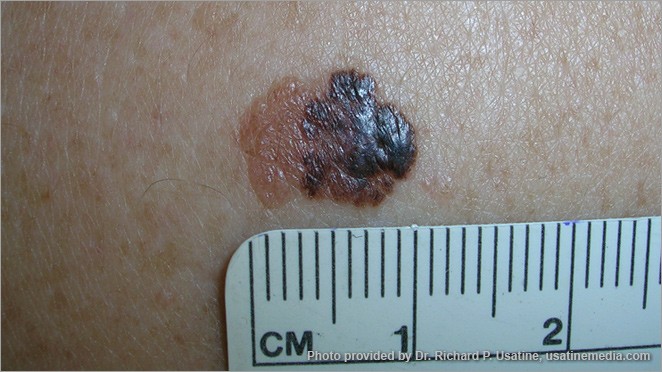
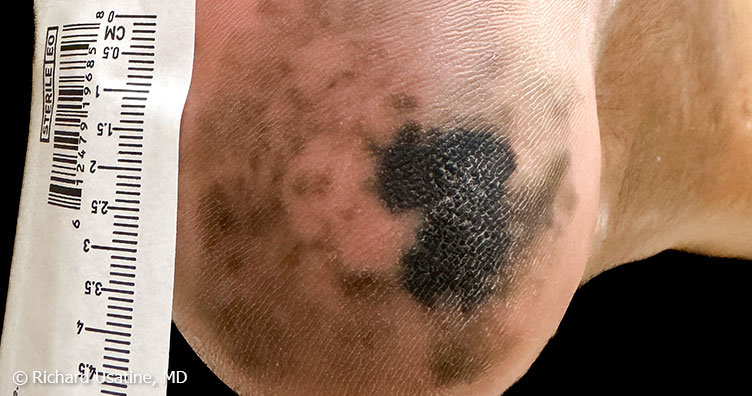
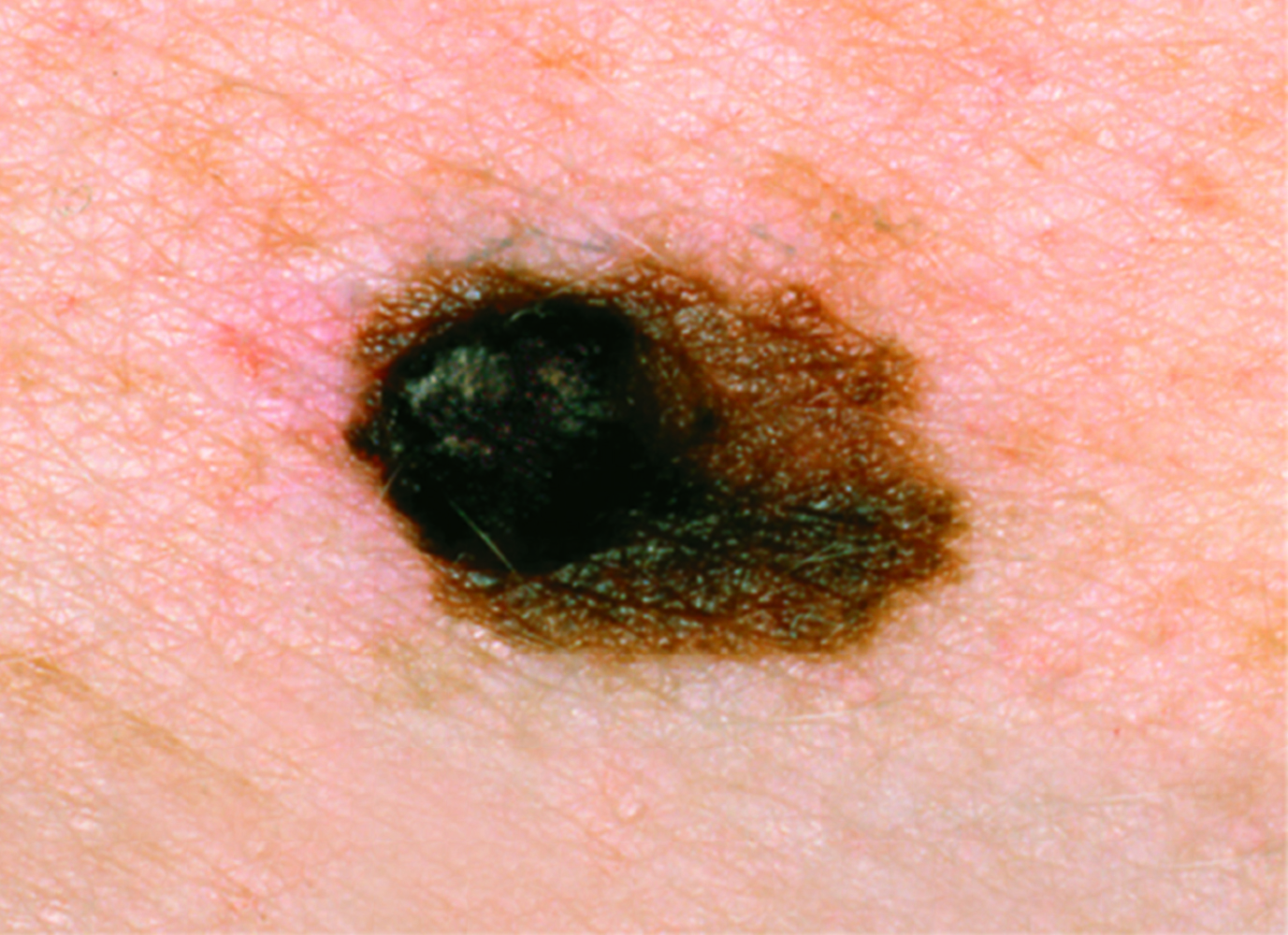
Develops in the pigment-producing melanocytes and is the most serious form of skin cancer. It may begin in an existing mole or appear as a new, dark, irregular lesion, becoming larger, uneven or itchy over time. Key signs are asymmetry, uneven borders, varied colour, a diameter larger than 6mm, and rapid evolution. Changes usually occur on sun-exposed areas such as the face, scalp, arms and back, but can also appear under the nails, between the toes, or on the soles of the feet.
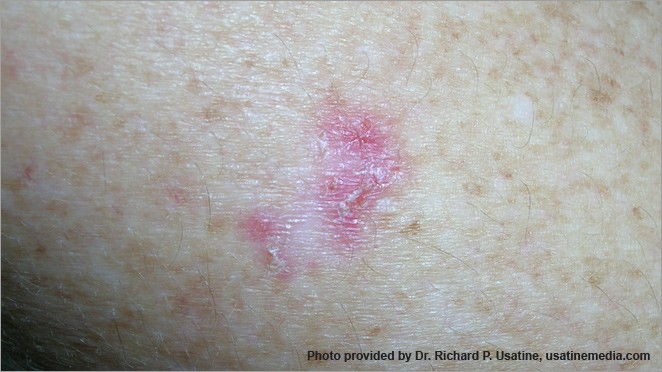
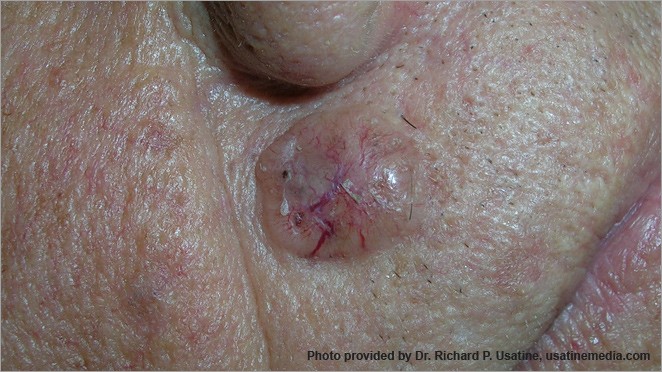
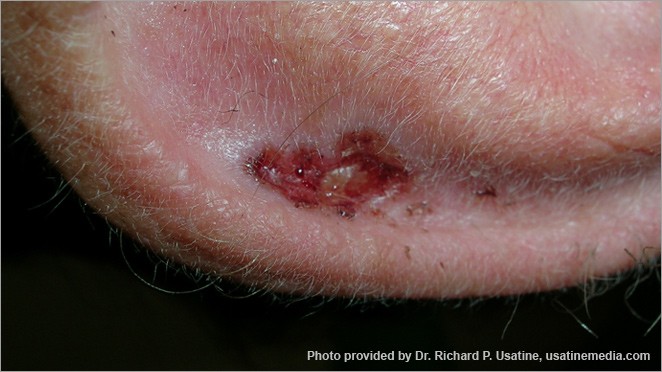
The most common skin cancer in the UK, particularly with frequent sun exposure. Typically seen on the face, scalp and ears as a shiny or pearly bump, a flat red patch, or a scab that doesn't heal. It grows slowly but can damage surrounding tissue if left untreated. We treat all subtypes, prioritising cosmetic preservation on visible areas such as the nose, eyelids and lips.
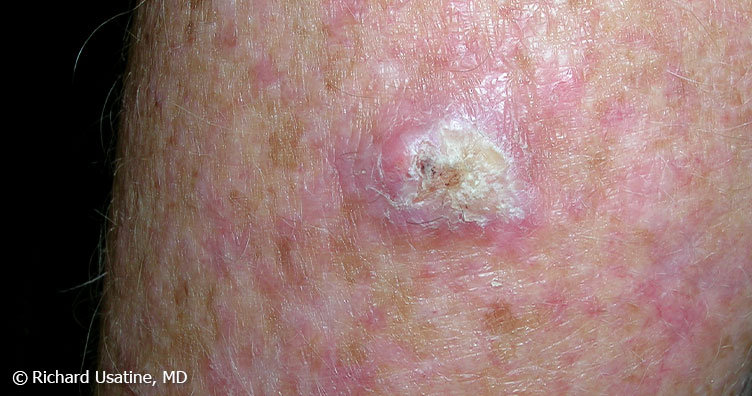
May present as a scaly, firm red nodule or a crusted sore that doesn't heal, most often on the lips, scalp, ears and hands. SCCs carry a risk of spreading to lymph nodes, so timely assessment matters.
May present as a scaly, firm red nodule or a crusted sore that doesn't heal, most often on the lips, scalp, ears and hands. SCCs carry a risk of spreading to lymph nodes, so timely assessment matters.
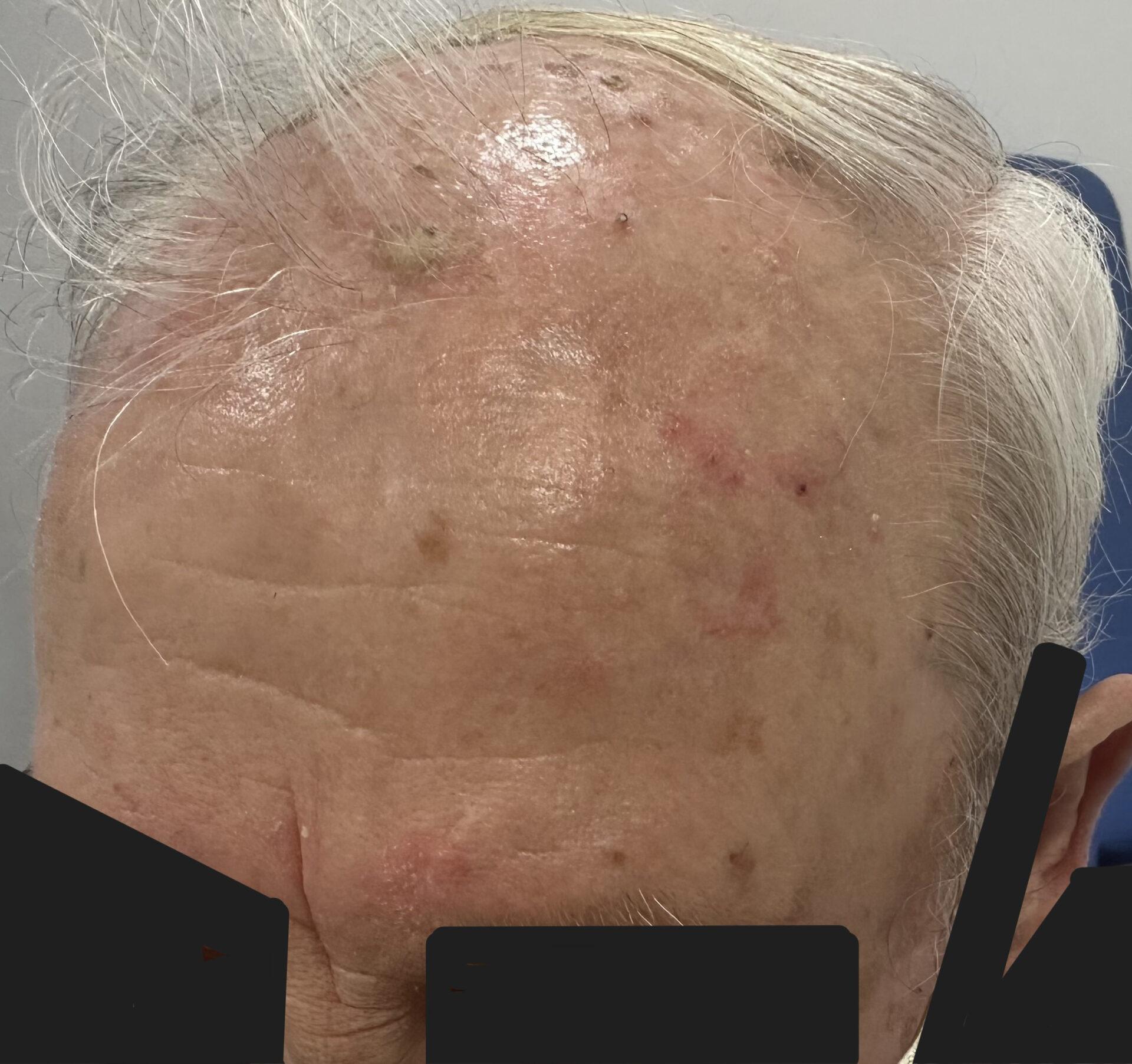
May present as a scaly, firm red nodule or a crusted sore that doesn't heal, most often on the lips, scalp, ears and hands. SCCs carry a risk of spreading to lymph nodes, so timely assessment matters.
May present as a scaly, firm red nodule or a crusted sore that doesn't heal, most often on the lips, scalp, ears and hands. SCCs carry a risk of spreading to lymph nodes, so timely assessment matters.
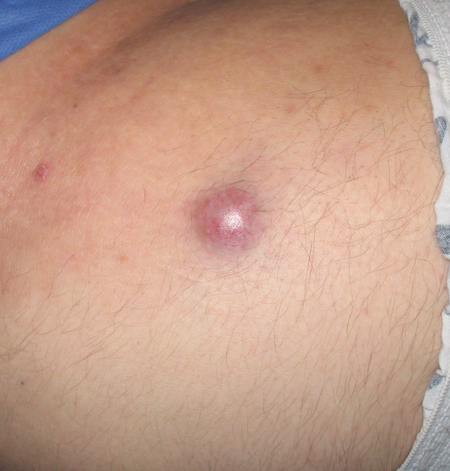
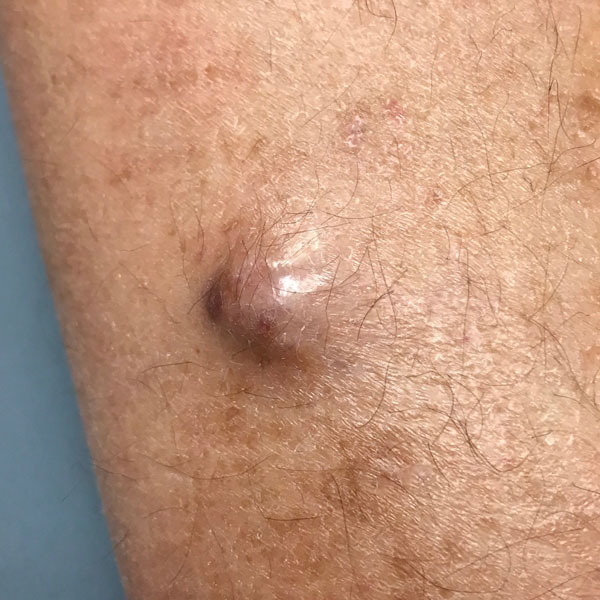
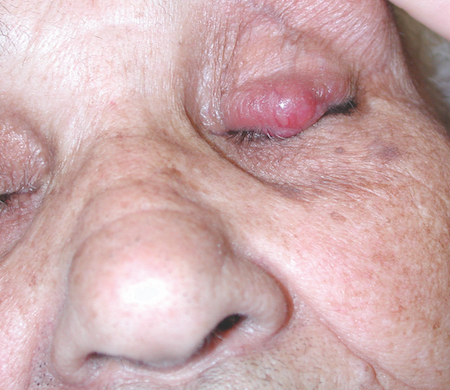
May present as a scaly, firm red nodule or a crusted sore that doesn't heal, most often on the lips, scalp, ears and hands. SCCs carry a risk of spreading to lymph nodes, so timely assessment matters.
May present as a scaly, firm red nodule or a crusted sore that doesn't heal, most often on the lips, scalp, ears and hands. SCCs carry a risk of spreading to lymph nodes, so timely assessment matters.
TALK TO US
No GP Referral Needed
Your health, in safe hands
Whether you're seeking clarity about a mole, treatment for a long-standing condition, a hand that's stopped cooperating, or a change you've been considering for years, our team is here to help you feel confident in your own skin.
Consultant-led private skin, hands and aesthetic care across Berkshire. Precise, caring and expert.