HAND | DUPUYTREN'S CONTRACTURE
Dupuytren's Contracture: Treatment and Surgery
When cords in your palm start pulling fingers inward, waiting only shortens your options. Consultant-led assessment and treatment, from needle procedures to surgery, at Berkshire Grove Hospital.
Assessment
The table-top test
Needle Procedure
Under 30 minutes
Surgery Type
Day case
Anaesthetic
Local or regional
Is this you?
Most people who come to us for Dupuytren's contracture say one of these things:
There's a firm cord in my palm, and my ring finger won't straighten fully.
I can't put my hand flat on a table any more.
Gloves, handshakes, washing my face: my own finger keeps getting in the way.
My father had the same thing. I know where this goes.
It started as a little nodule years ago. It's speeding up now.
I want to know my options before it gets worse, not after.
That last instinct is exactly right.
Dupuytren's Contracture is progressive, and the straighter the finger when it's treated, the better every option works.
Dupuytren's Contracture is progressive, and the straighter the finger when it's treated, the better every option works.
THE SHRINKING FASCIA
What is Dupuytren's contracture?
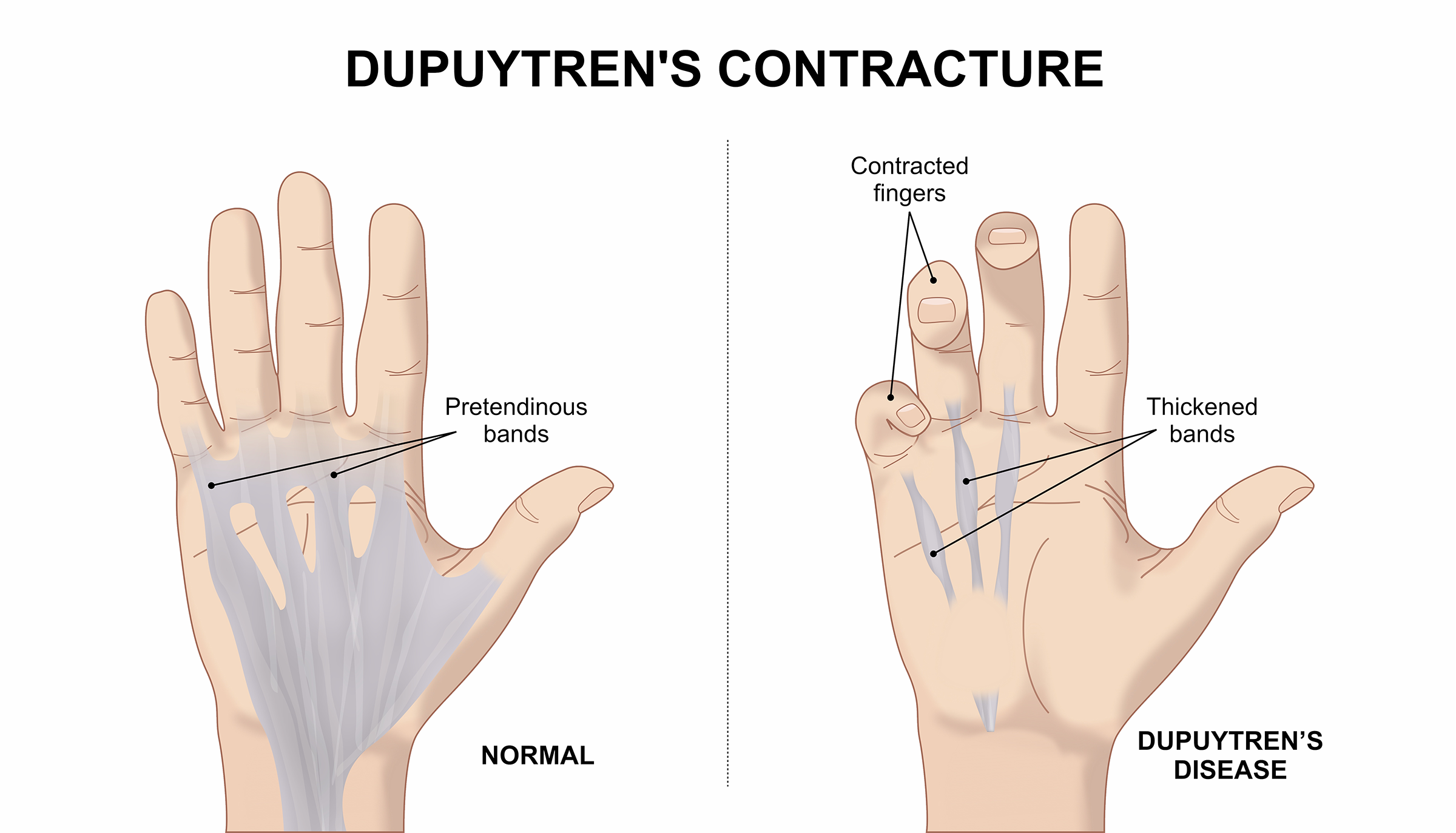
Dupuytren's contracture is a thickening of the fibrous layer beneath the skin of the palm. Over years it forms nodules, then cords, which slowly shorten and pull the fingers, most often the ring and little fingers, toward the palm. It runs strongly in families, particularly those with Northern European ancestry, and is more common in men, with age, in diabetes, and with smoking or heavy alcohol use.
Two honest facts of Dupuytren's Contracture frame everything else. It isn't caused by work or injury, whatever the folklore says, and it can't currently be cured: treatment straightens fingers and restores function, sometimes for many years, but the underlying tendency remains. What good treatment offers is control, timed well.
Two honest facts of Dupuytren's Contracture frame everything else. It isn't caused by work or injury, whatever the folklore says, and it can't currently be cured: treatment straightens fingers and restores function, sometimes for many years, but the underlying tendency remains. What good treatment offers is control, timed well.
KNOW THE SIGNS of Dupuytren's Contracture
When to act: the table-top test
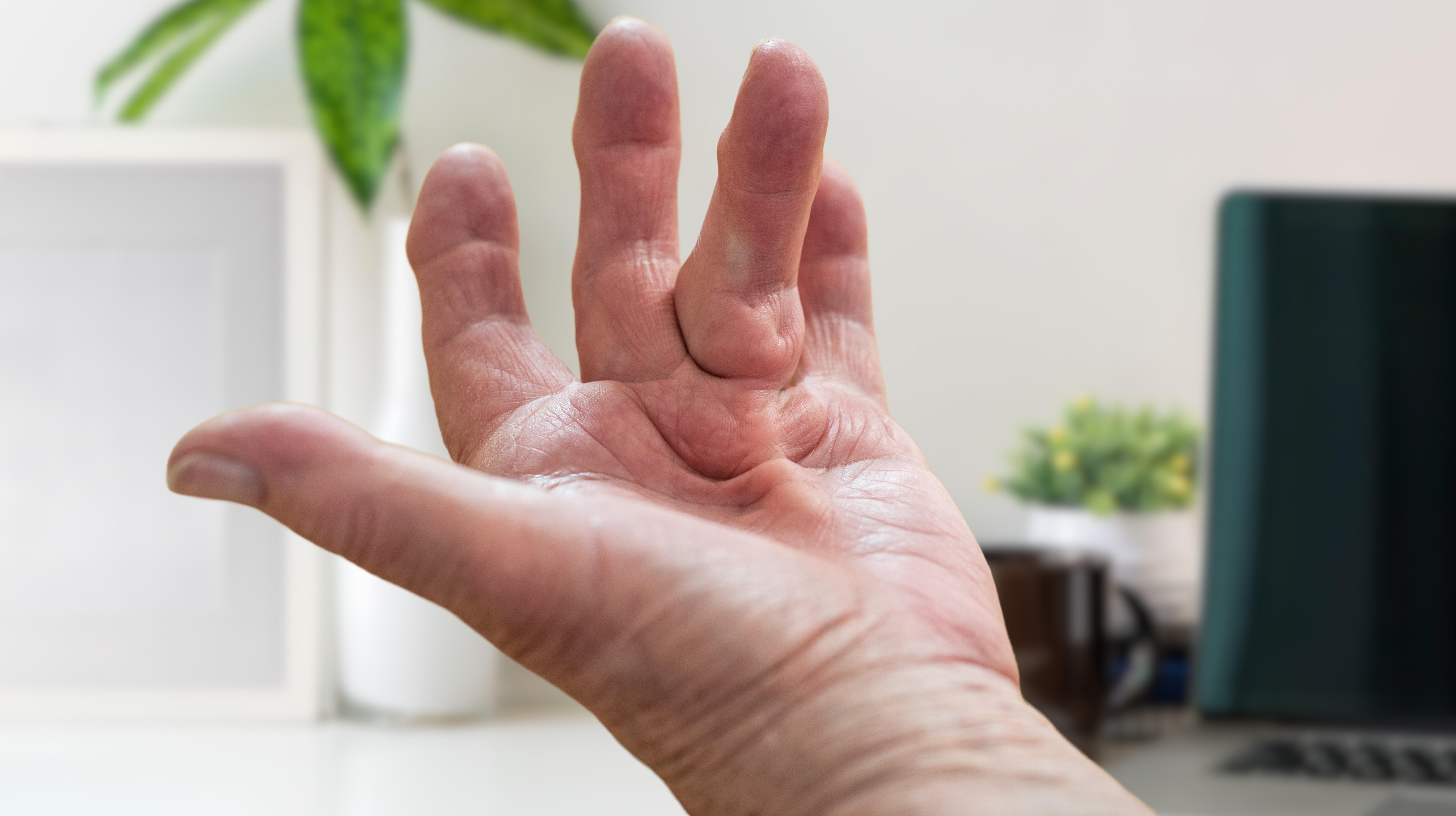
Dupuytren's Contracture announces itself quietly: a small, firm nodule in the palm, usually painless and easy to ignore. Over months or years it can extend into a cord, and the cord begins to shorten, drawing the finger down. Because it rarely hurts, people wait; it's the bend, not pain, that finally sends most patients to a clinic, usually after gloves, pockets, handshakes and face-washing have all become quietly awkward.
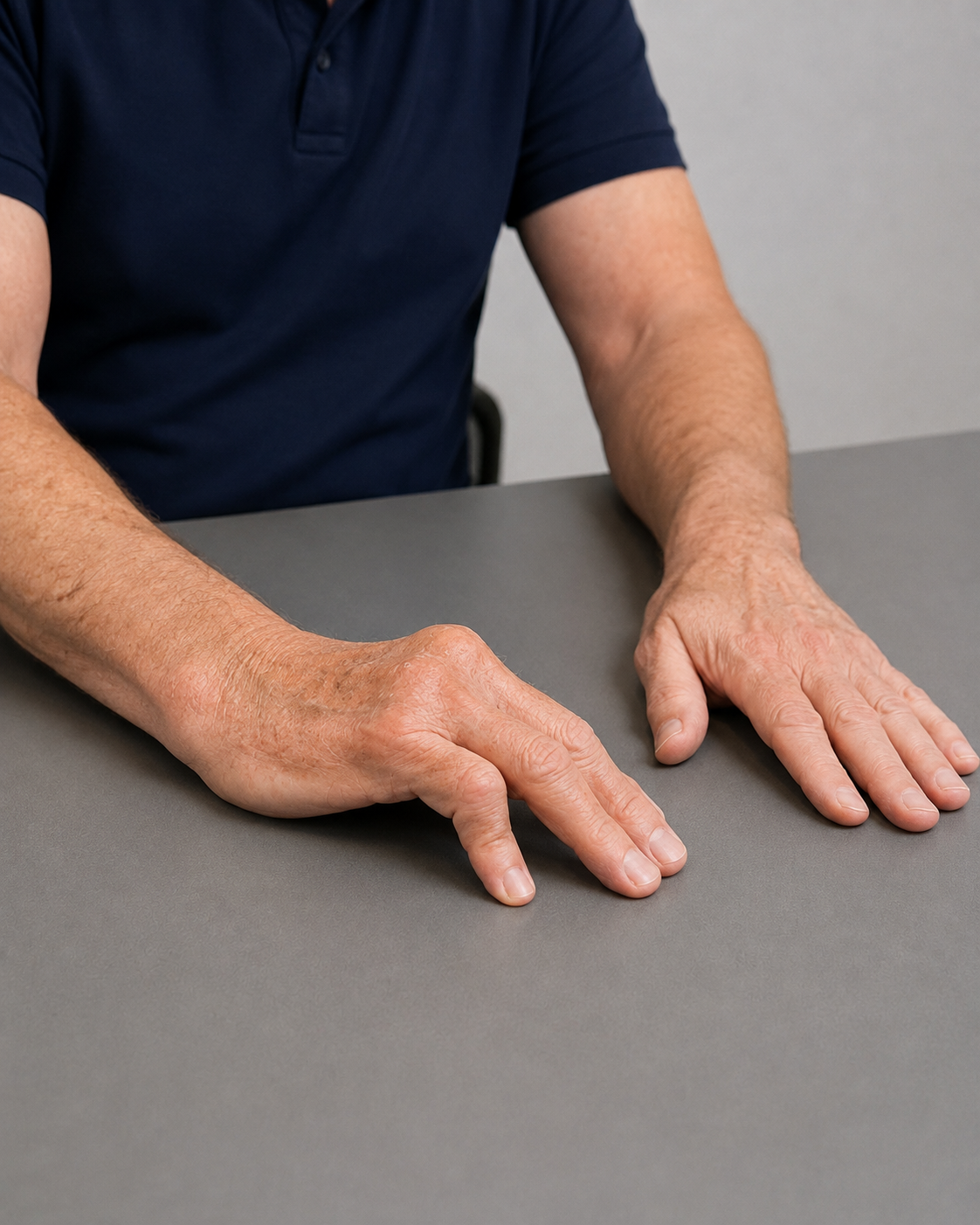
The classic self-check is the table-top test: place your palm flat on a table. If your hand no longer lies flat, it's time for an assessment. Early nodules without any bend usually need monitoring rather than treatment, and if that's where you are, we'll tell you so.
The classic self-check is the table-top test: place your palm flat on a table. If your hand no longer lies flat, it's time for an assessment. Early nodules without any bend usually need monitoring rather than treatment, and if that's where you are, we'll tell you so.
The table-top test: if your hand no longer lies flat, it's time to talk options. Before that, watchful waiting is often the honest advice.
Apex Medical
Expert care for the
Hardest-working part of you.
THE TREATMENT LADDER
Needle, or surgery? The straight answer
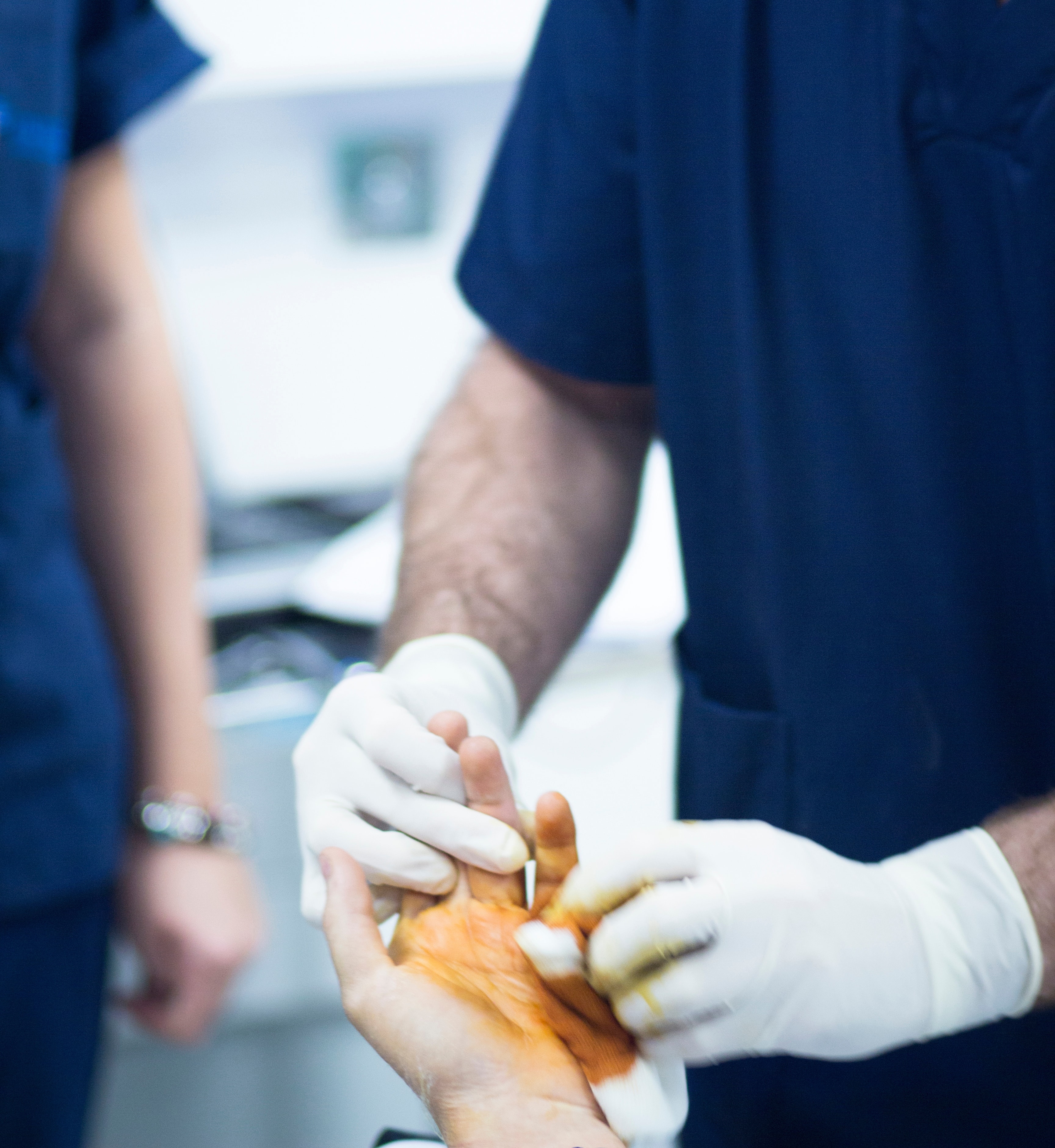
Needle fasciotomy uses a fine needle, under local anaesthetic, to divide the cord through tiny punctures: minutes long, minimal recovery, excellent for suitable cords in earlier disease. The trade-off is honesty itself: recurrence is more likely and often sooner than after surgery.
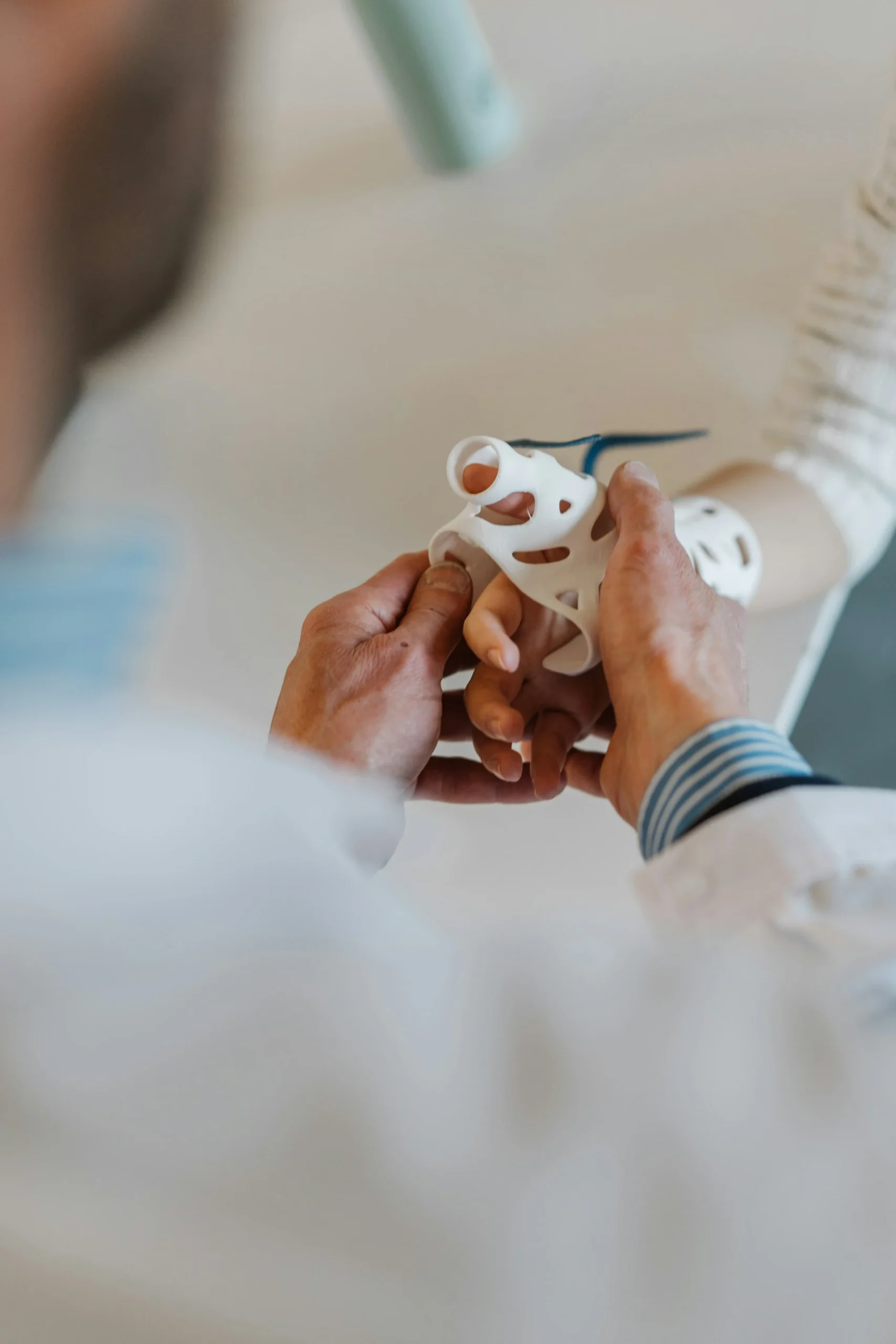
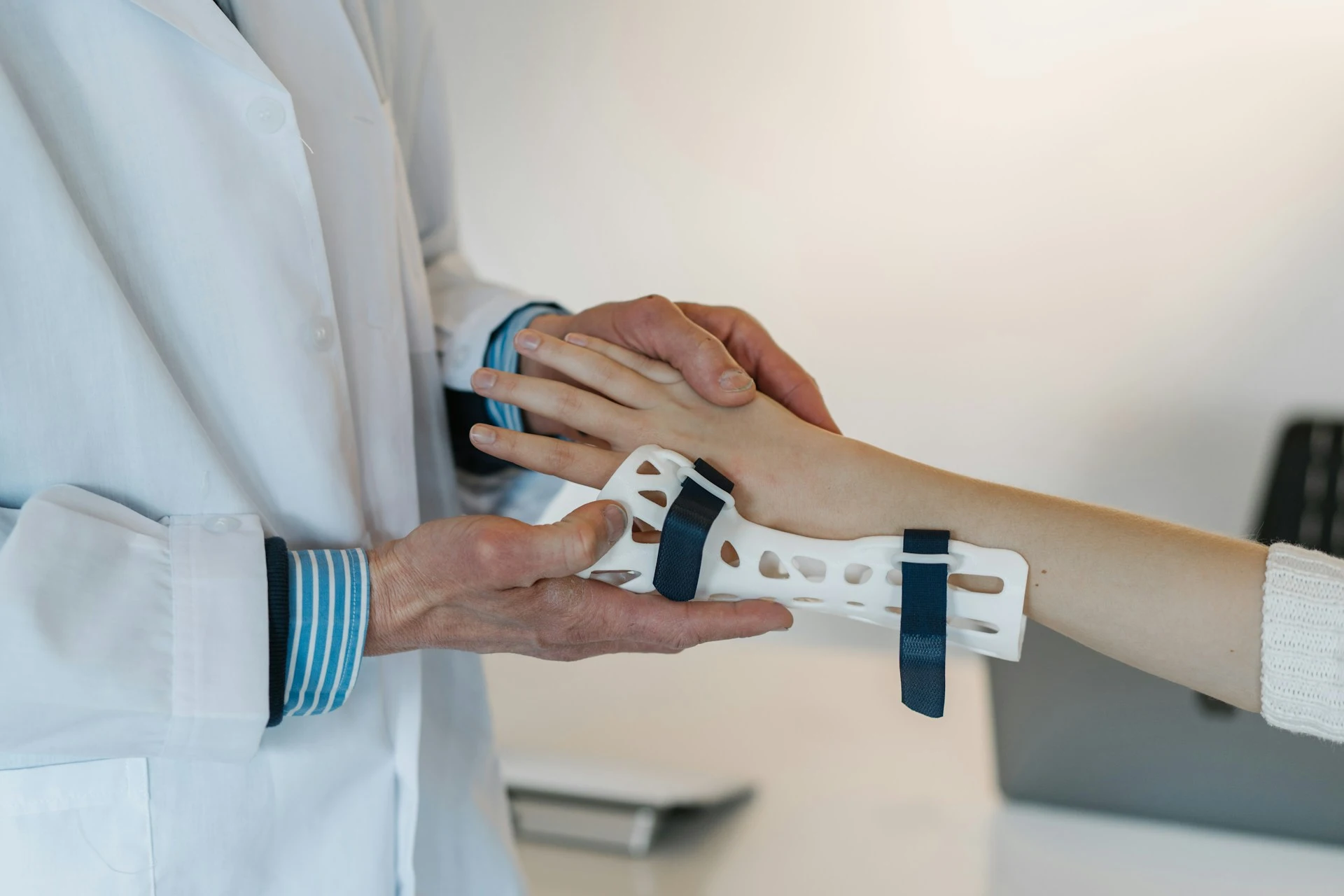
Limited fasciectomy, removing the diseased tissue through an incision, is the more durable operation: a day case under local or regional anaesthetic, with a longer recovery (splinting, sometimes hand therapy) but a lower and slower recurrence rate. Severe or recurrent cases may need more involved surgery, discussed openly if that's where you are.
Which rung is right depends on your cord pattern, bend severity, age, hand use and appetite for repeat procedures; the consultation exists to lay those trade-offs out plainly.
Limited fasciectomy, removing the diseased tissue through an incision, is the more durable operation: a day case under local or regional anaesthetic, with a longer recovery (splinting, sometimes hand therapy) but a lower and slower recurrence rate. Severe or recurrent cases may need more involved surgery, discussed openly if that's where you are.
Which rung is right depends on your cord pattern, bend severity, age, hand use and appetite for repeat procedures; the consultation exists to lay those trade-offs out plainly.
Consultant-led care
Led by a Hand & Nerve
Specialist You Can Trust.
Apex Medical was founded by Mr Kuen Yeow Chin, Consultant Plastic Surgeon and Clinical Lead for Plastic Surgery at Frimley Health NHS Foundation Trust. Hand and nerve surgery, including Dupuytren's contracture, carpal tunnel and trigger finger, is one of his defining specialisms, and he is a member of the British Society for Surgery of the Hand (BSSH).
Your consultation, your Dupuytren's Contracture procedure and your follow-up are with the same consultant throughout: the surgeon who assesses your hand is the surgeon who treats it.
Your consultation, your Dupuytren's Contracture procedure and your follow-up are with the same consultant throughout: the surgeon who assesses your hand is the surgeon who treats it.

Your clinical team:

Mr. Kuen Yeow Chin
Consultant Plastic Surgeon & Skin Cancer Specialist
Reconstructive surgery and advanced skin cancer treatment

Ms Rudo Madada
Consultant Plastic Surgeon
Specialist in hand, wrist and general plastic surgery.
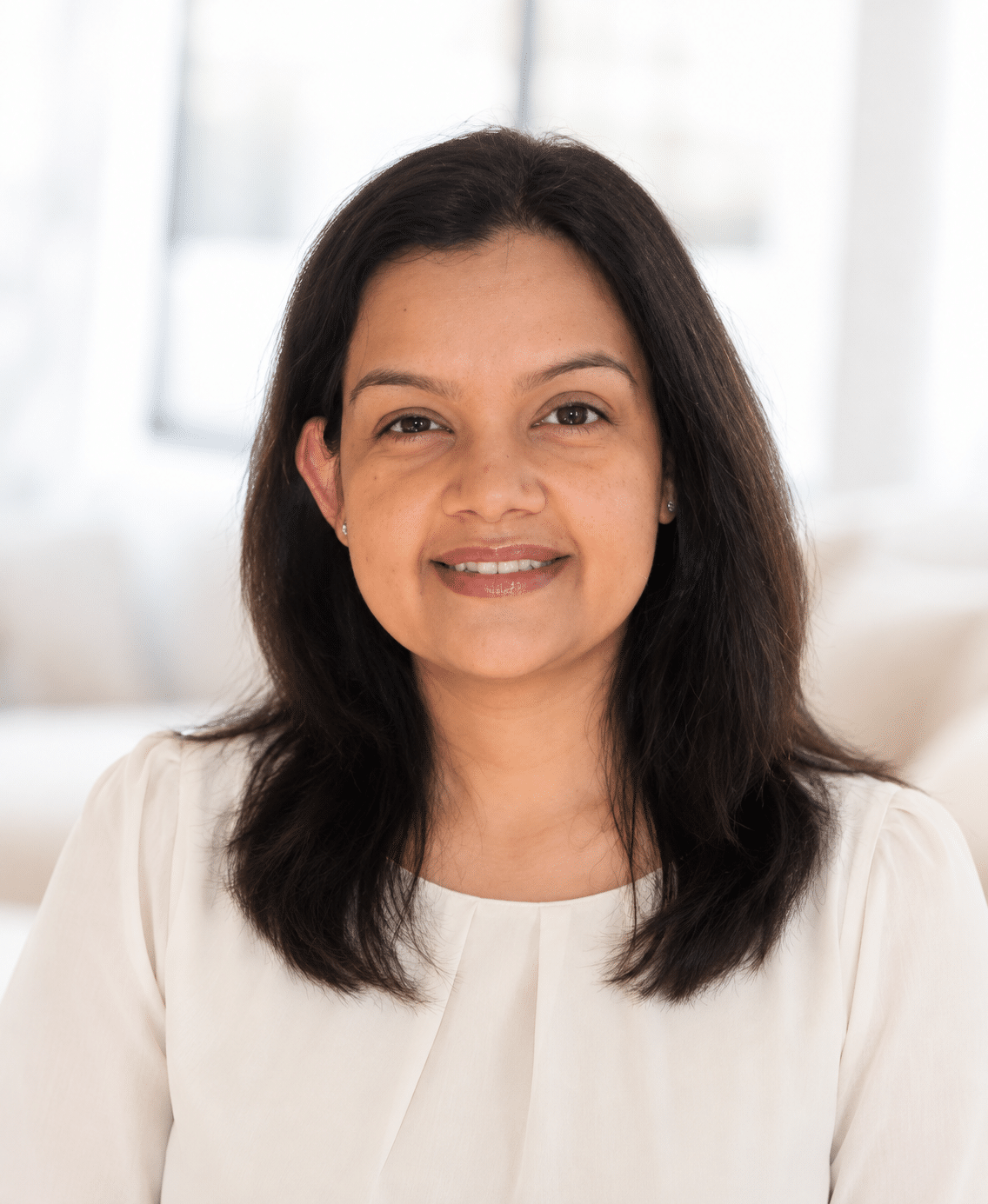
Laura O'Hare
Clinical Specialist Hand Therapist
Specialist hand therapy: splinting, rehabilitation and recovery, before and after surgery.
YOUR CARE, STEP BY STEP
How your dupuytren's Contracture treatment works
Five steps, no mystery: from the examination that maps your cords to the honest conversation about recurrence. Most patients leave their first appointment knowing exactly which rung of the ladder they're on, and what happens next.
A
Consultation
Examination maps your cords and measures the bend at each joint; you'll leave knowing your stage and realistic options.
B
Watch, needle, or operate
An honest recommendation, including "not yet" for early nodules.
C
Your procedure
Needle fasciotomy: under 30 minutes, local anaesthetic, dressing for a few days. Fasciectomy: day case, local or regional anaesthetic, hand bandaged and elevated.
D
Recovery
Needle: gentle use within days. Surgery: dressings and possibly a night splint for some weeks, early finger exercises, hand therapy where it helps.
E
The long game
Review, straight talk about recurrence risk for your pattern, and a plan for if and when it returns.
Transparent Pricing
dupuytren's contracture pricing
Fixed, transparent Dupuytren's Contracture treatment pricing with no hidden extras. Your exact quote is confirmed in writing at consultation, before you commit to anything, and includes your follow-up care.
Consultation
A consultant examination that maps your cords, measures the bend at each joint and lays out your realistic options, including 'not yet' if that's the honest answer. Your fee is confirmed when you book.
£300
Needle Fasciotomy
Under 30 minutes under local anaesthetic, dividing the cord through tiny punctures. Suitability and pricing for your cord pattern are confirmed at consultation.
£1,000
Limited Fasciectomy
Day-case surgery removing the diseased tissue. Your final quote depends on the number of fingers involved and is confirmed in writing before you decide anything.
£2,000
Ongoing Care for Dupuytren's Contracture
Recovery and Aftercare
After needle fasciotomy, expect small dressings for a few days and gentle use of the hand almost immediately; most people are back to desk work straight away and driving within days. After fasciectomy, the hand is bandaged and elevated at first, with dressings for up to two weeks, early finger exercises from the start, and sometimes a night splint for several weeks. Driving returns when your grip is safe, typically one to two weeks; heavier hand use builds over four to six weeks, with hand therapy where it helps.
Scars in the palm soften and fade over months, and we'll show you how to care for them. Because Dupuytren's Contracture is controlled rather than cured, aftercare also includes straight talk about recurrence: what your pattern suggests, what to watch for, and when to come back if a cord returns.
Scars in the palm soften and fade over months, and we'll show you how to care for them. Because Dupuytren's Contracture is controlled rather than cured, aftercare also includes straight talk about recurrence: what your pattern suggests, what to watch for, and when to come back if a cord returns.
Where to find us
Consultant-led care at Berkshire Grove Hospital
Apex Medical is based at Berkshire Grove Hospital in Maidenhead, with clinics also at the Parkside Suite.
Patients travel to us from Reading, Windsor, Slough, Marlow, Bracknell, London and across Berkshire, Surrey and Oxfordshire for consultant-led care in a regulated private hospital, without long waiting times. On-site parking is available.
Opening hours: Monday to Friday, 9:00am to 5:30pm · Saturday by appointment only · Sunday closed
Or call 020 3871 5898
Patients travel to us from Reading, Windsor, Slough, Marlow, Bracknell, London and across Berkshire, Surrey and Oxfordshire for consultant-led care in a regulated private hospital, without long waiting times. On-site parking is available.
Opening hours: Monday to Friday, 9:00am to 5:30pm · Saturday by appointment only · Sunday closed
Or call 020 3871 5898
COMMON QUESTIONS
Frequently asked questions
Common questions about Dupuytren's Contracture at Apex Medical
No, and any clinic that says otherwise should worry you. Treatment reliably straightens fingers and restores function, but the underlying tendency persists, and disease can recur or appear elsewhere in the hand. Good care means durable correction, timed well, with honest surveillance.
No. Unlike many hand conditions, Dupuytren's doesn't respond to stretching or splinting as prevention; splints have a role only after surgery. Save your money for treatment
Collagenase (Xiapex) was withdrawn from the European market in 2020 and is no longer available in the UK. Current options are needle fasciotomy and surgery, which between them cover the same ground well.
Neither, universally. Needle is quicker with minimal downtime but recurs sooner; surgery is more durable but a bigger recovery. The right choice depends on your cords, your joints and your life, which is a consultation conversation, not a website verdict.
It can. Some patients have related nodules on the soles of the feet or knuckle pads; your surgeon will check and explain what, if anything, they mean for you.
Severely contracted joints, especially the middle finger joint, may not straighten fully even with surgery, which is precisely why acting at moderate bend beats waiting for a claw. If you're already severe, options still exist; expectations just need honest calibration.
After needle fasciotomy, within days for most things. After fasciectomy, light use within a week or two and fuller function over 4 to 6 weeks, with grip strength returning progressively.
Patient Stories.
In our patients' own words
BOOK A CONSULTATION
Same-Week Appointments
Get ahead of the bend
You've probably watched this progress for years. One consultation tells you exactly where you are, what each option would give you, and when moving makes sense, even if the honest answer today is "not yet".
Consultant-led private skin, hands and aesthetic care across Berkshire. Precise, caring and expert.