HAND | CUBITAL TUNNEL SYNDROME
Cubital Tunnel Syndrome: The Other Trapped Nerve
Tingling in your little and ring fingers isn't carpal tunnel; it's the ulnar nerve, trapped at your elbow. Consultant-led cubital tunnel syndrome diagnosis and decompression surgery at Berkshire Grove Hospital.
Surgery
30 to 60 minutes
Anaesthetic
Local, regional, or GA
Return home
Same day
Night symptoms
Usually releived fast
Is this you?
Most People Who Come To Us With Cubital Tunnel Syndrome Say One Of These Things:
My little finger and ring finger keep going numb.
Holding my phone to my ear sets the tingling off.
I wake up with my arm bent and my hand asleep.
Leaning on my elbow at a desk makes it worse.
My grip feels clumsy. Keys and coins have become fiddly.
I looked up carpal tunnel, but my symptoms are in the wrong fingers.
That last observation is exactly right, and most people never make it. Little and ring finger symptoms point to the elbow, not the wrist, and the distinction changes everything about treatment.
THE NERVE AT THE ELBOW
What Is Cubital Tunnel Syndrome?
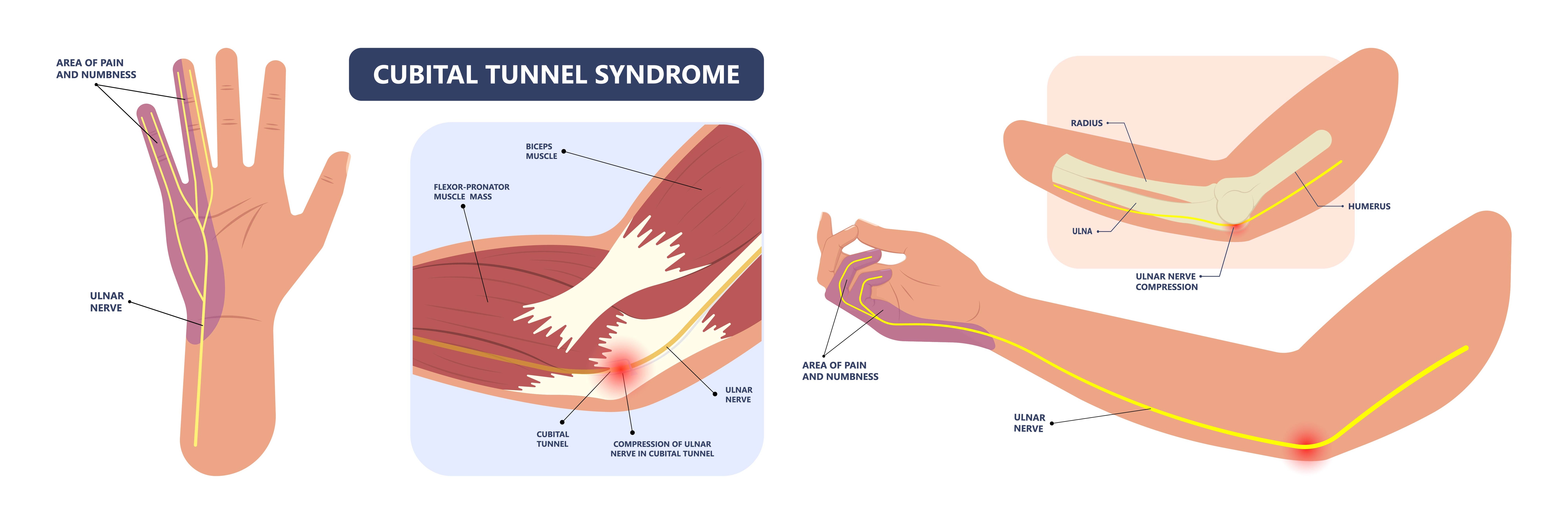
Cubital tunnel syndrome is compression of the ulnar nerve where it passes behind the inside of your elbow, the spot you know as the funny bone. The nerve supplies feeling to the little finger and half the ring finger, and power to many of the hand's fine muscles, which is why compression causes tingling in exactly those fingers, aching along the inner forearm, and, later, weak or clumsy grip.
Bending the elbow stretches and tightens the nerve's tunnel, which is why phone calls, sleeping curled up and long desk-leaning provoke symptoms. It's the second most common trapped nerve in the arm after carpal tunnel, and, like carpal tunnel, it progresses: intermittent tingling now, and in neglected cases muscle wasting that surgery can no longer fully reverse. Timing matters.
Bending the elbow stretches and tightens the nerve's tunnel, which is why phone calls, sleeping curled up and long desk-leaning provoke symptoms. It's the second most common trapped nerve in the arm after carpal tunnel, and, like carpal tunnel, it progresses: intermittent tingling now, and in neglected cases muscle wasting that surgery can no longer fully reverse. Timing matters.
KNOW THE SIGNS of Cubital Tunnel
Elbow Or Wrist? Read The Fingers
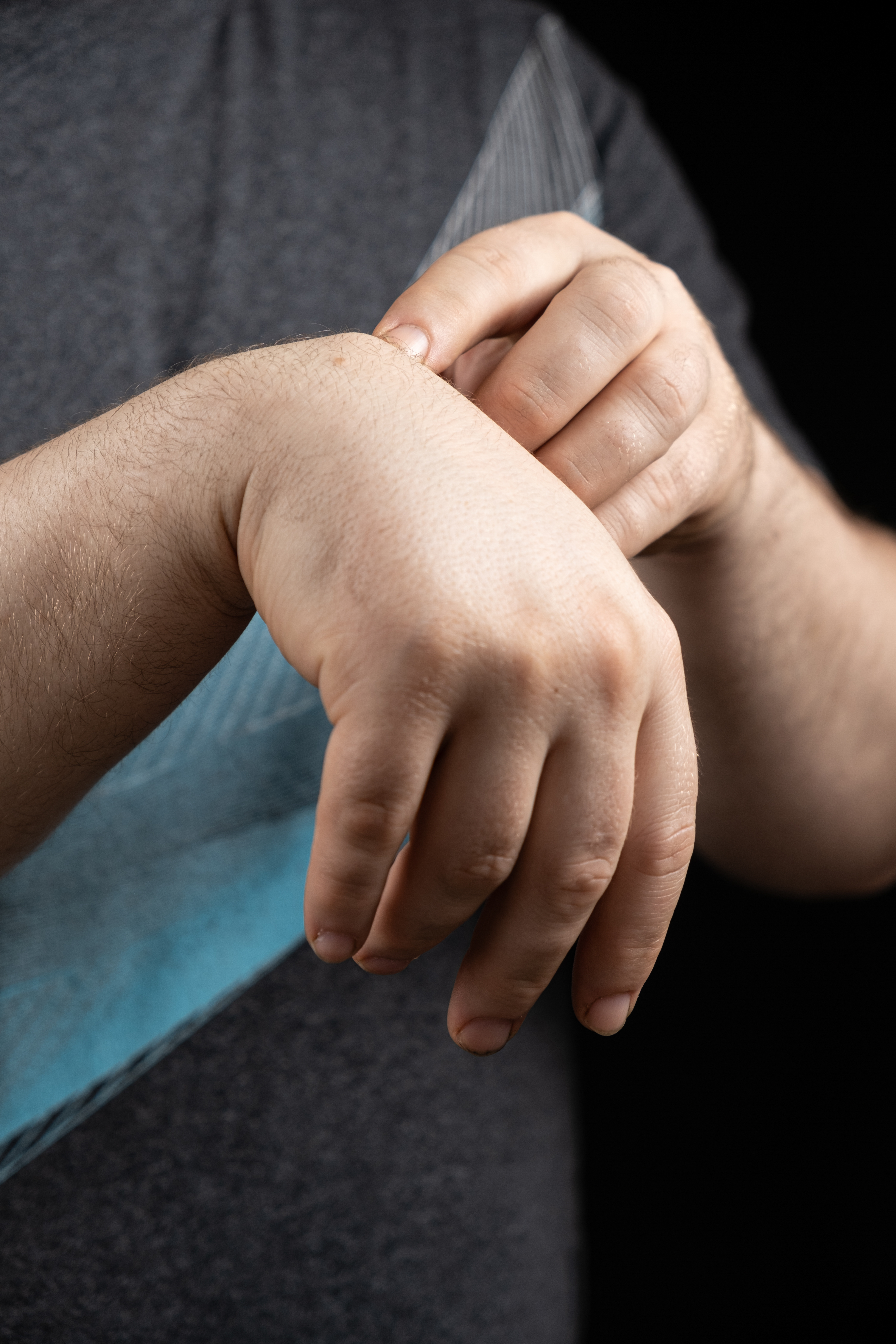
The finger map is the key. Tingling in the thumb, index and middle fingers points to carpal tunnel at the wrist; tingling in the little and ring fingers points here, to the cubital tunnel at the elbow. Both can coexist, which examination and nerve studies untangle. Elbow position is the other tell: bent-elbow activities such as phone calls, curled-up sleep and long desk leaning provoke symptoms, often with aching along the inner forearm. The late signs are weak pinch, clumsy fine movements and visible hollowing between the hand bones.
Symptoms that are constant, progressing or affecting grip deserve assessment now rather than later. Lost muscle rarely returns fully, and timing is the one part of this condition you control.
Symptoms that are constant, progressing or affecting grip deserve assessment now rather than later. Lost muscle rarely returns fully, and timing is the one part of this condition you control.
Draw the line down your ring finger: thumb side tingling points to the wrist, little-finger side points to the elbow. It's the single most useful thing to notice before your consultation.
Apex Medical
Expert care for the
Hardest-working part of you.
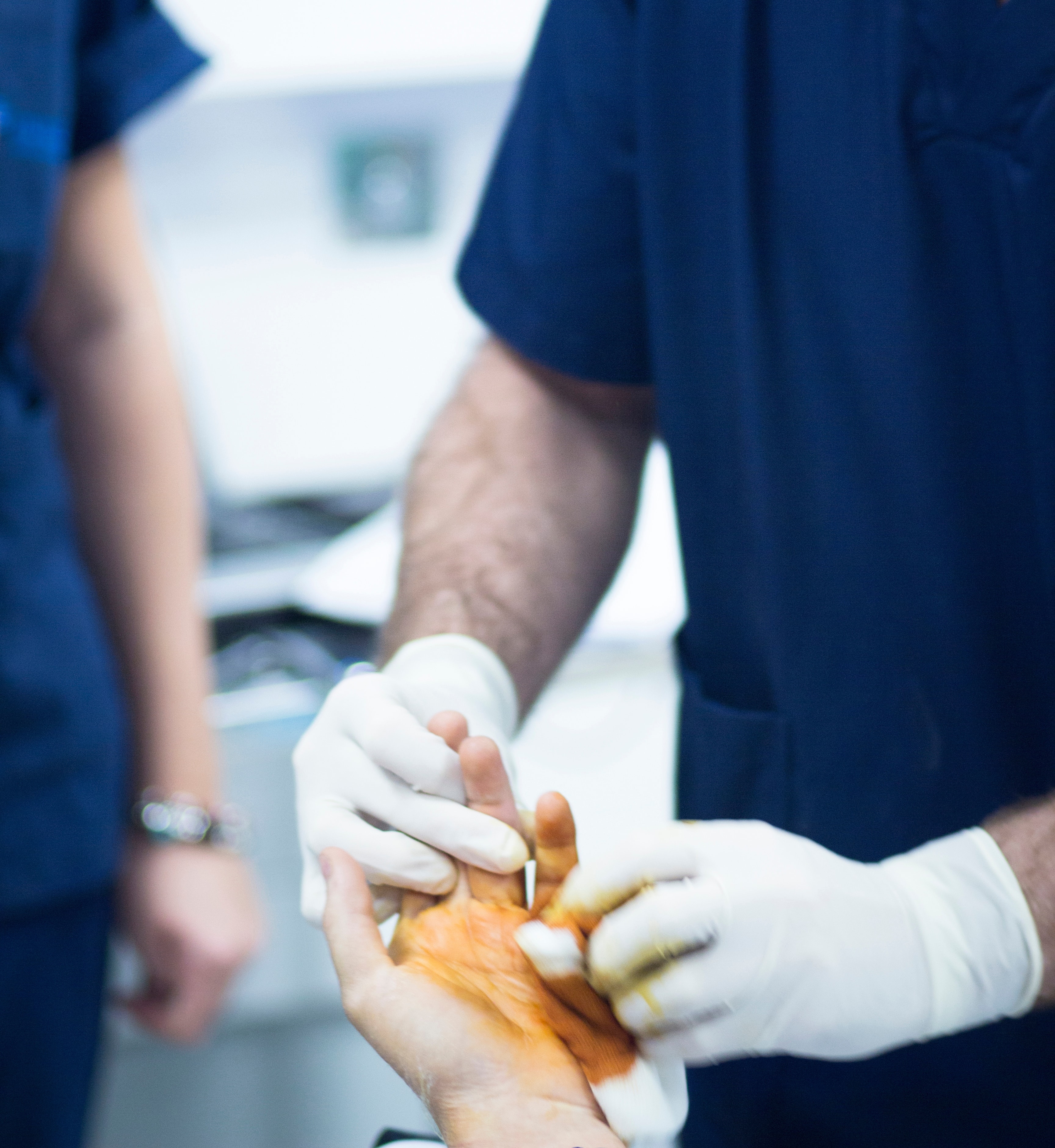
THE TREATMENT LADDER
Position, Protect, Or Decompress
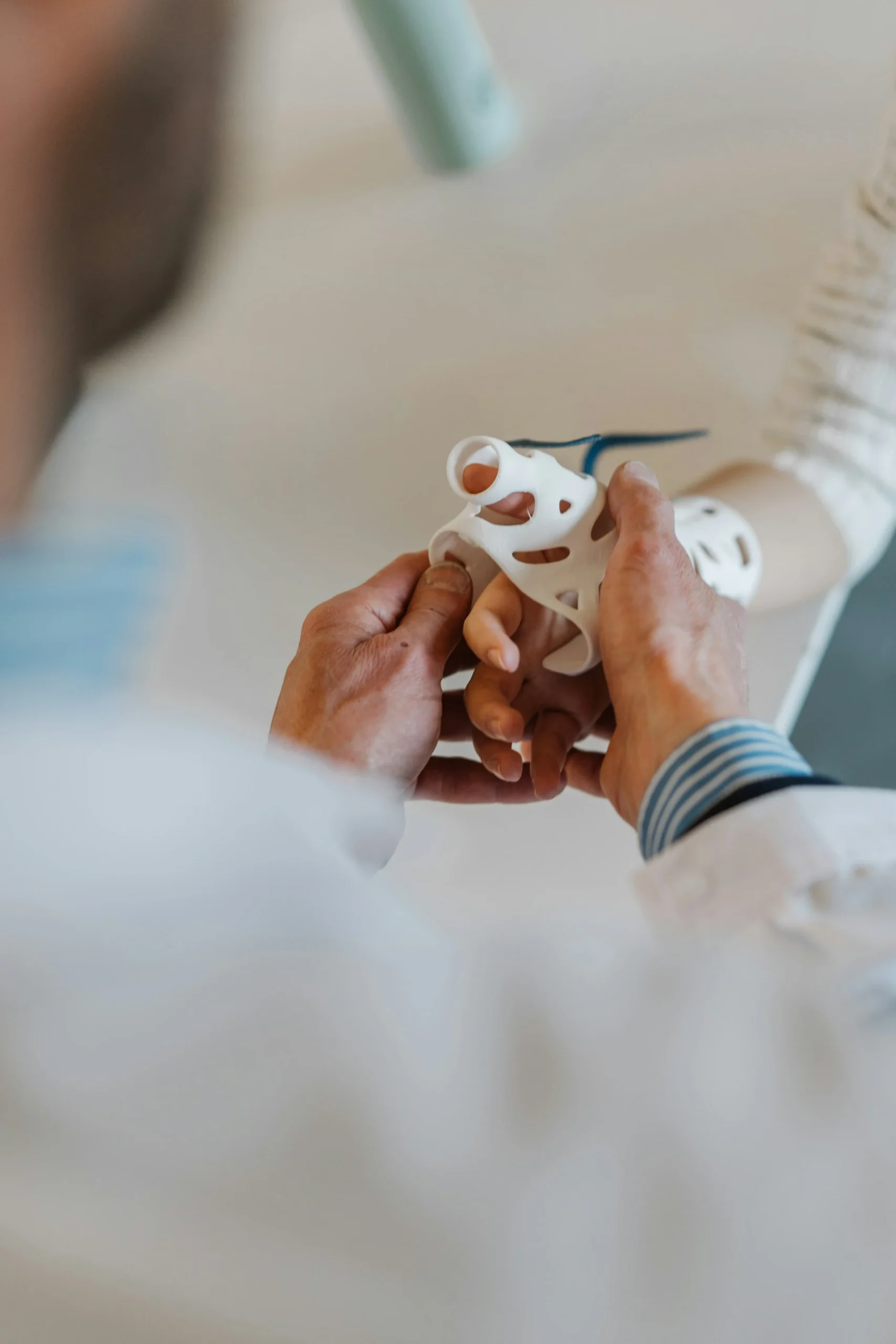
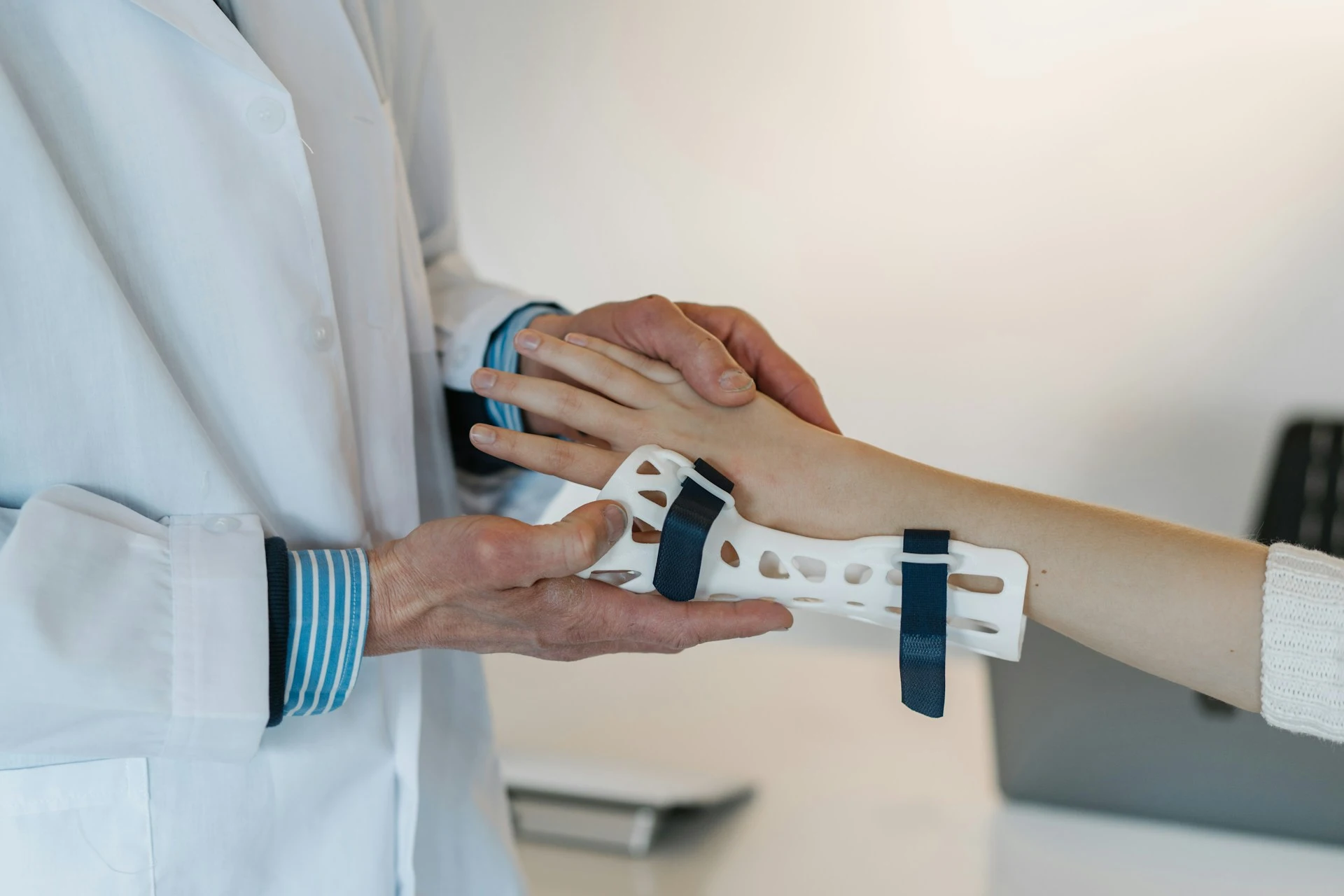
Activity and position changes genuinely help early cases: headsets instead of held phones, avoiding leaning on the elbow, and a night approach that keeps the elbow straighter (even a towel loosely wrapped around the arm). Night splinting formalises that.
Steroid injections play a smaller role here than in carpal tunnel, and we'll be honest about that.
Surgery, cubital tunnel decompression, releases the roof of the tunnel so the nerve runs free; where the nerve is unstable or the anatomy demands it, the surgeon may move the nerve to the front of the elbow (transposition), a decision made on operative findings and explained beforehand. Thirty to sixty minutes, day case, under local, regional or general anaesthetic by plan.
Steroid injections play a smaller role here than in carpal tunnel, and we'll be honest about that.
Surgery, cubital tunnel decompression, releases the roof of the tunnel so the nerve runs free; where the nerve is unstable or the anatomy demands it, the surgeon may move the nerve to the front of the elbow (transposition), a decision made on operative findings and explained beforehand. Thirty to sixty minutes, day case, under local, regional or general anaesthetic by plan.
Consultant-led care
Led by a Hand & Nerve
Specialist You Can Trust.
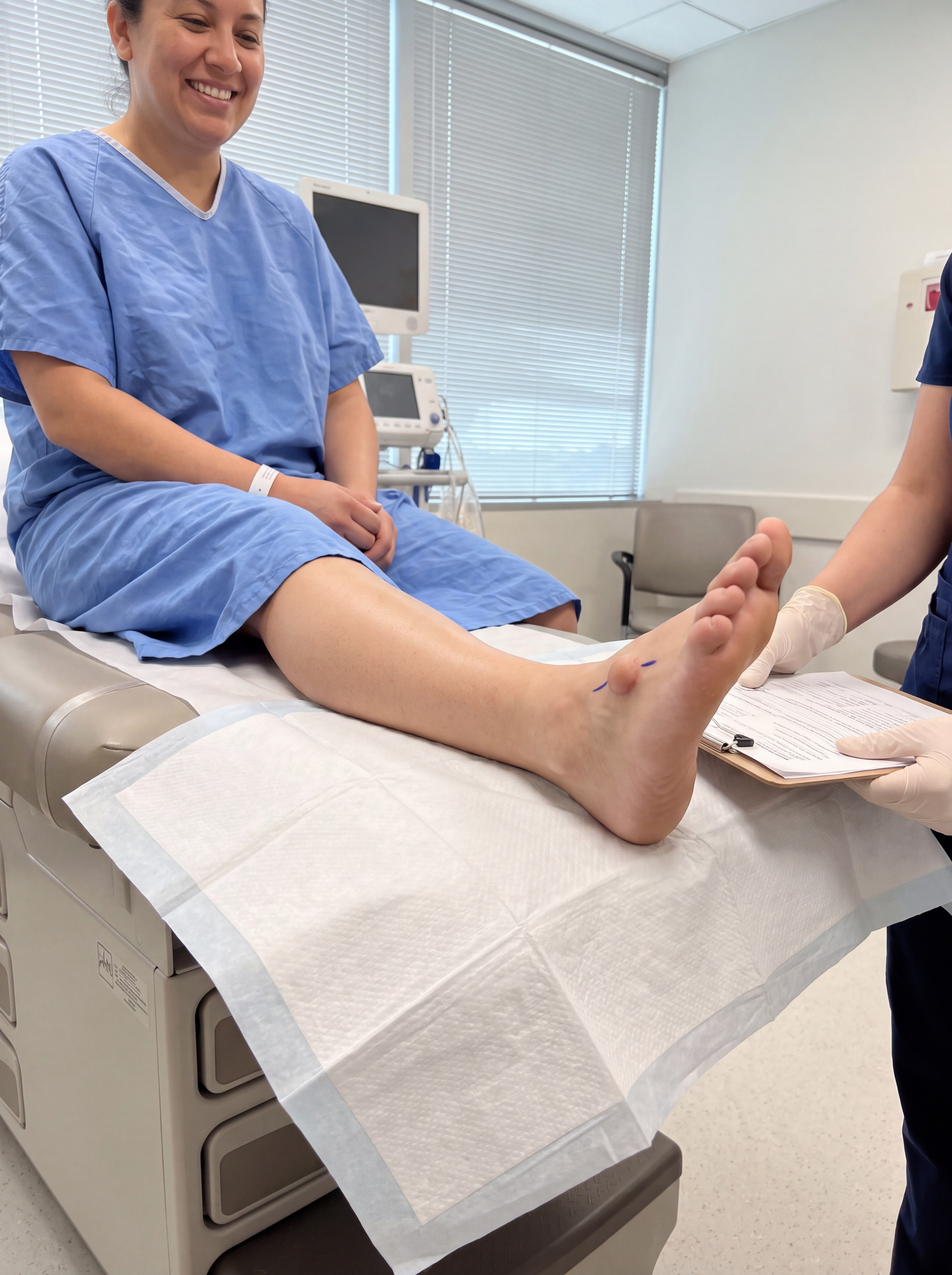
Apex Medical was founded by Mr Kuen Yeow Chin, Consultant Plastic Surgeon and Clinical Lead for Plastic Surgery at Frimley Health NHS Foundation Trust. Hand and nerve surgery, including cubital tunnel decompression, is one of his defining specialisms, and he is a member of the British Society for Surgery of the Hand (BSSH).
Your consultation, your procedure and your follow-up are with the same consultant throughout: the surgeon who assesses your arm is the surgeon who treats it.
Your consultation, your procedure and your follow-up are with the same consultant throughout: the surgeon who assesses your arm is the surgeon who treats it.

Your clinical team:

Mr. Kuen Yeow Chin
Consultant Plastic Surgeon & Skin Cancer Specialist
Reconstructive surgery and advanced skin cancer treatment

Ms Rudo Madada
Consultant Plastic Surgeon
Specialist in hand, wrist and general plastic surgery.

Laura O'Hare
Clinical Specialist Hand Therapist
Specialist hand therapy: splinting, rehabilitation and recovery, before and after surgery.
YOUR CARE, STEP BY STEP
How Your Cubital Tunnel Treatment Works
Five steps from tingling fingers to a decompressed nerve: localise the problem, grade it honestly, and treat at the right rung, which for early cases is position changes rather than an operation.
A
Consultation
Examination localises the compression; nerve conduction studies confirm the site and severity where needed.
B
Your Plan
The honest ladder: position changes and splinting for early cases, surgery for established or progressing ones.
C
Decompression Surgery
30 to 60 minutes as a day case; an incision on the inner elbow; the nerve released along its course, transposed only if needed.
D
Early Recovery
Bulky dressing for a few days, then movement; stitches out at 10 to 14 days; elbow soreness fades over two to three weeks.
E
Back To Life
Desk work within one to two weeks; driving when the elbow is comfortable; heavier lifting from four to six weeks. Tingling often improves early; numbness and weakness recover slowly with the nerve, over months, and honestly by starting severity.

Transparent Pricing
Cubital Tunnel Pricing
Fixed, transparent pricing with no hidden extras. Your exact quote is confirmed in writing at consultation, before you commit to anything, and includes your follow-up care.
Initial Consultation
Consultant examination that localises the compression, with nerve conduction studies arranged where needed.
£300
Cubital Tunnel Decompression
Fixed all-inclusive package: 30 to 60 minutes as a day case; where the anatomy requires moving the nerve (transposition), that's included and explained beforehand, never billed as a surprise. Follow-up included.
£1800
Ongoing Care
Recovery and Aftercare
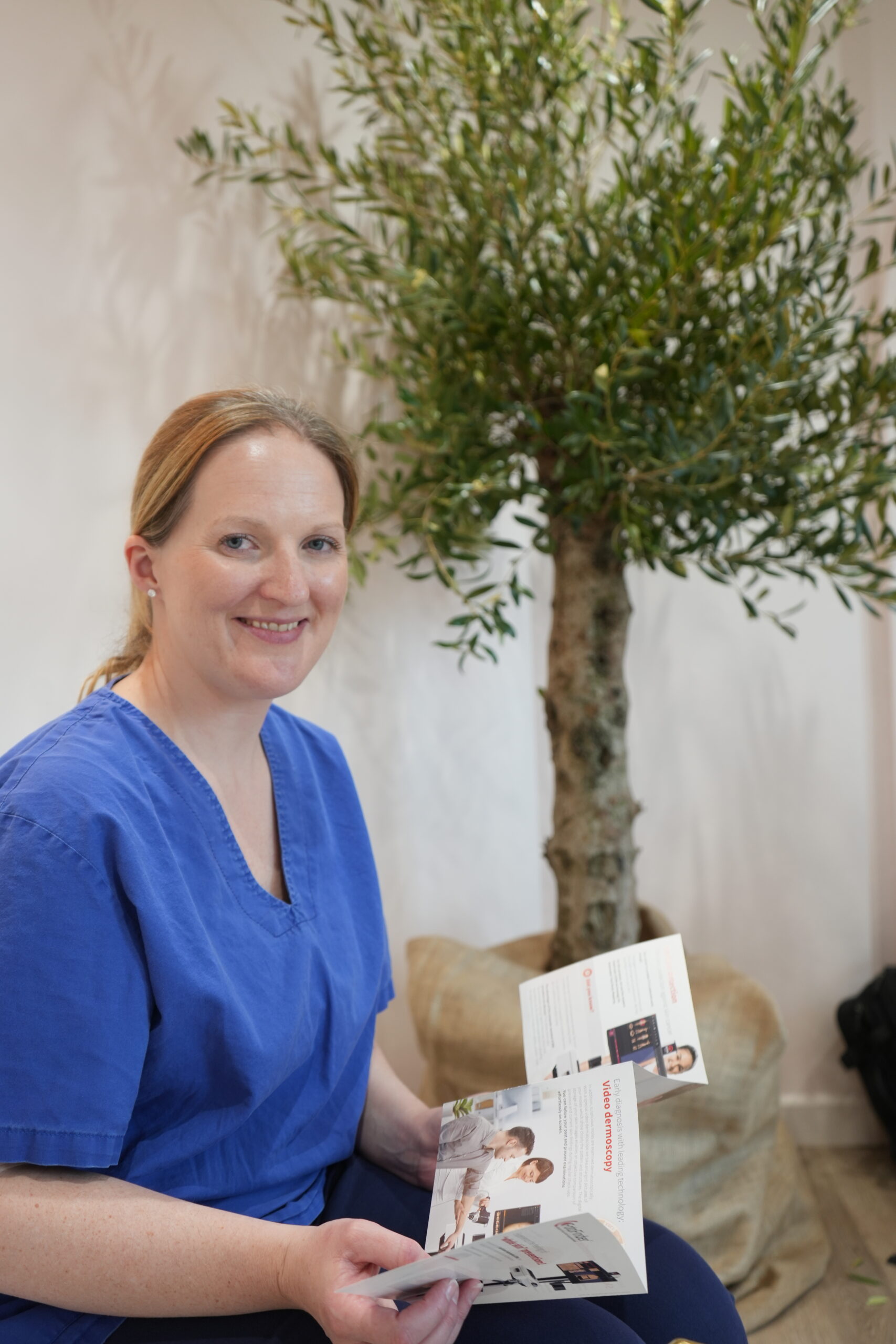
The bulky dressing lasts a few days, then movement begins; stitches come out at 10 to 14 days and elbow soreness fades over two to three weeks. Simple massage once healed helps the inner-elbow scar desensitise. Recovery then follows the nerve's timetable, by starting severity: provoked tingling eases within weeks, constant numbness recovers over months, and established weakness recovers last and least, which is why acting before weakness matters.
Protect the result by reversing the habits that fed the problem: a headset instead of a held phone, no leaning on the inner elbow, and a straighter arm at night while everything settles.
Protect the result by reversing the habits that fed the problem: a headset instead of a held phone, no leaning on the inner elbow, and a straighter arm at night while everything settles.
Where to find us
Consultant-led care at Berkshire Grove Hospital
Apex Medical is based at Berkshire Grove Hospital in Maidenhead, with clinics also at the Parkside Suite. Patients travel to us from Reading, Windsor, Slough, Marlow, Bracknell, London and across Berkshire, Surrey and Oxfordshire for consultant-led care in a regulated private hospital, without long waiting times. On-site parking is available.
Opening hours: Monday to Friday, 9:00am to 5:30pm · Saturday by appointment only · Sunday closed
Or call 020 3871 5898
Opening hours: Monday to Friday, 9:00am to 5:30pm · Saturday by appointment only · Sunday closed
Or call 020 3871 5898

COMMON QUESTIONS
Frequently asked questions
Common questions about Cubital Tunnel Syndrome at Apex Medical
Different nerve, different place, different fingers. Carpal tunnel compresses the median nerve at the wrist (thumb, index, middle); cubital tunnel compresses the ulnar nerve at the elbow (little and ring). Some people have both, which examination and nerve studies untangle.
Early, intermittent symptoms often settle with position changes and night splinting, and that's the honest first step. Constant numbness, weakness or muscle change point to surgery sooner rather than later, because lost muscle rarely returns fully.
In some elbows the released nerve flicks over the bone as the elbow bends, which perpetuates irritation. Moving it to the front (transposition) solves that; your surgeon assesses stability during the operation and does only what your anatomy needs.
Provoked tingling often eases within weeks. Constant numbness recovers at the nerve's own slow pace, over months. Weakness recovers last and least, which is the argument against waiting years to act.
No cast. A bulky dressing for a few days, early gentle movement, and guidance on protecting the elbow while it heals.
Desk work: one to two weeks. Driving: when you can bend and load the elbow comfortably, typically around two weeks. Manual work: usually four to six weeks, personalised by your surgeon.
Patient Stories.
In our patients' own words
BOOK A CONSULTATION
Same-Week Appointments
Trust What Your Fingers Are Telling You
If the tingling lives in your little and ring fingers, you've already done the hard diagnostic work just by noticing. One consultation confirms it, grades it, and gets you a plan before weakness joins the tingling.
Consultant-led private skin, hands and aesthetic care across Berkshire. Precise, caring and expert.